Wellbeing Reimagined: How Rē Wellness Combines Science, Design and Human Connection

For Alberto El Bitar, wellness was never meant to be a solo ritual or a checklist of passing trends. As the Founder and CEO of Rē Wellness, he is pioneering a new era of care, one where movement, recovery, data, environment, and meaningful human connection come together in one thoughtfully designed ecosystem.
At Rē, fitness is not treated as the final objective, but as one part of a broader, more intentional approach to helping people feel, function, and live better every day. Drawing on his background in performance training and years of working closely with individuals under pressure to perform at a high level, Alberto recognised a crucial gap in the wellness landscape: the need for structured recovery, nervous system regulation, and genuine social connection.
His answer was to create a space where science-backed practices meet community-driven experiences, and where wellbeing is guided rather than improvised. In this exclusive interview with The Wellness Collective, Alberto shares the philosophy behind Rē, the powerful role social wellbeing plays in long-term health, and why the future of wellness lies in personalised systems designed not only for performance, but for belonging.
Rē Wellness Club is known for blending physical wellness with community connection. Can you share the story behind the name “Rē” and what it represents for you?
Rē stands for era. It represents a shift, from traditional training and fragmented wellness services into a new era of care. Wellness, Rēimagined. An era where design is intentional, diagnostics guide decisions, and wellness is managed rather than improvised. Rē moves beyond workouts as an end goal, toward an integrated system that brings together movement, recovery, data, and environment to genuinely improve how people feel and function. It’s a transition from performance in isolation to health that is designed, measured, and communal.
You’ve built a wellness platform that emphasises social reconnection as much as physical health. How do you see social wellbeing influencing individual health outcomes in today’s fast-paced world?
At Rē, we see social wellbeing as a core part of health, not an add-on. It sits under our mental health pillar within the 360 wellness blueprint. Meaningful relationships, shared experiences, and real conversations have a direct impact on stress levels, emotional regulation, and long-term health. In fact, relationships are one of the strongest predictors of healthy aging and longevity.
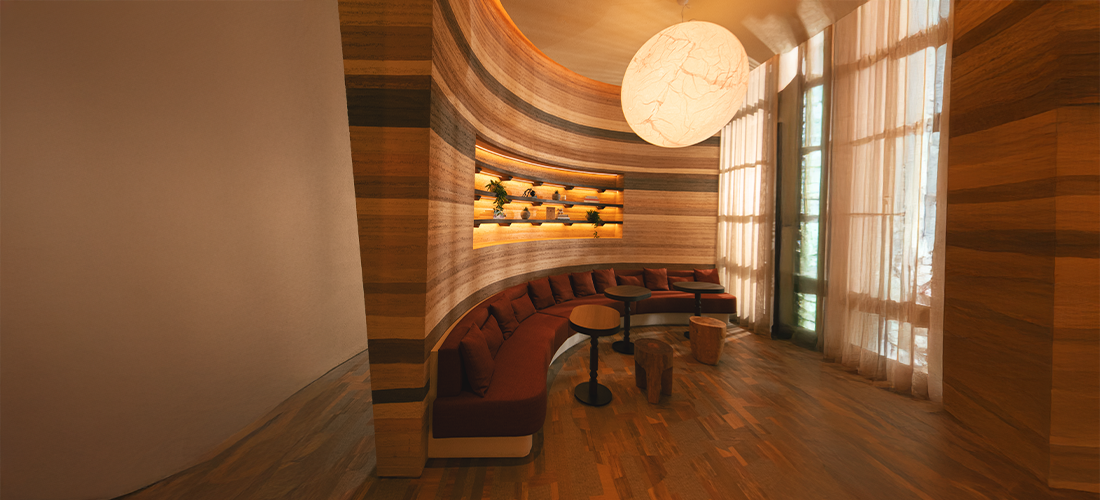
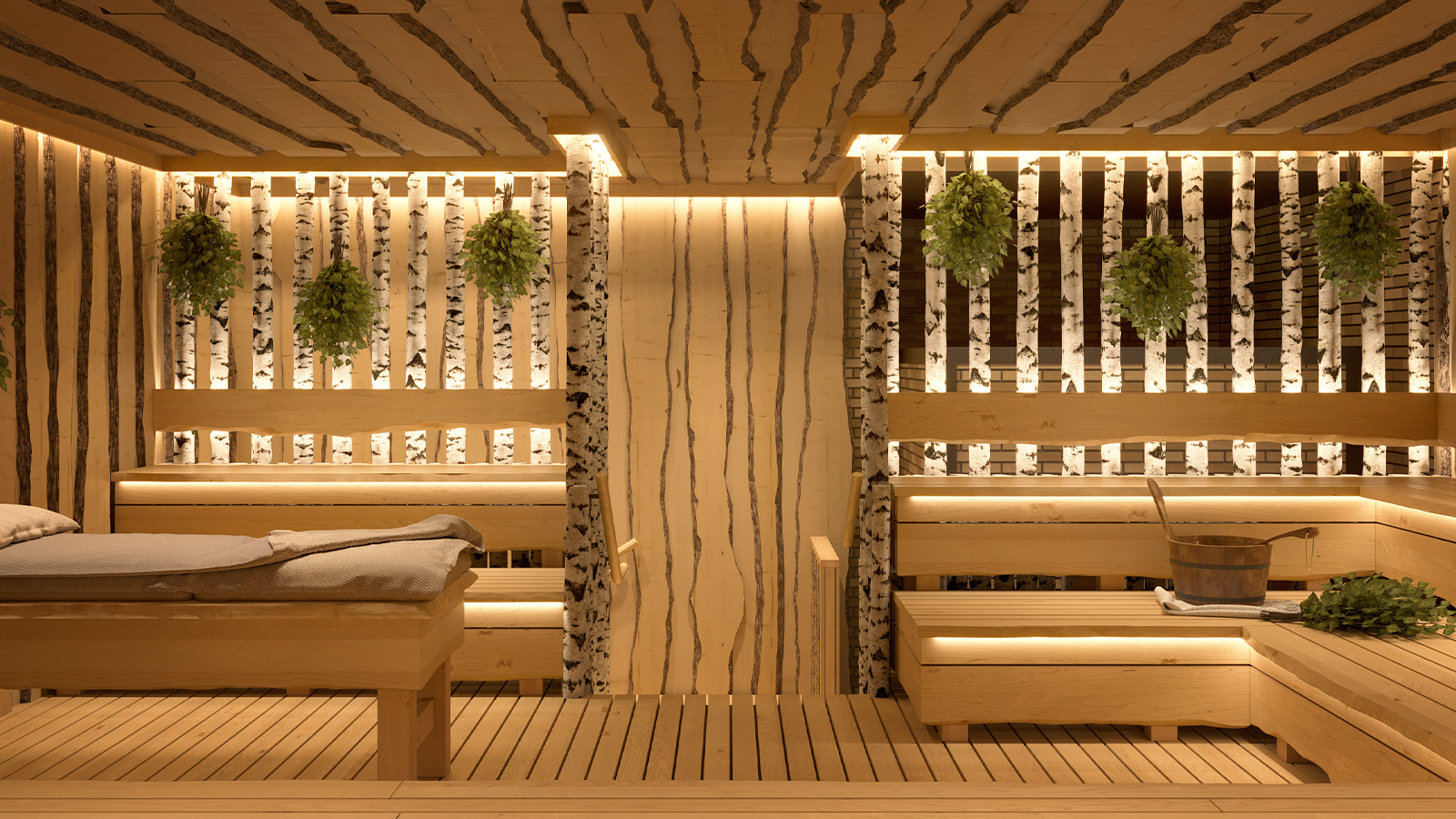
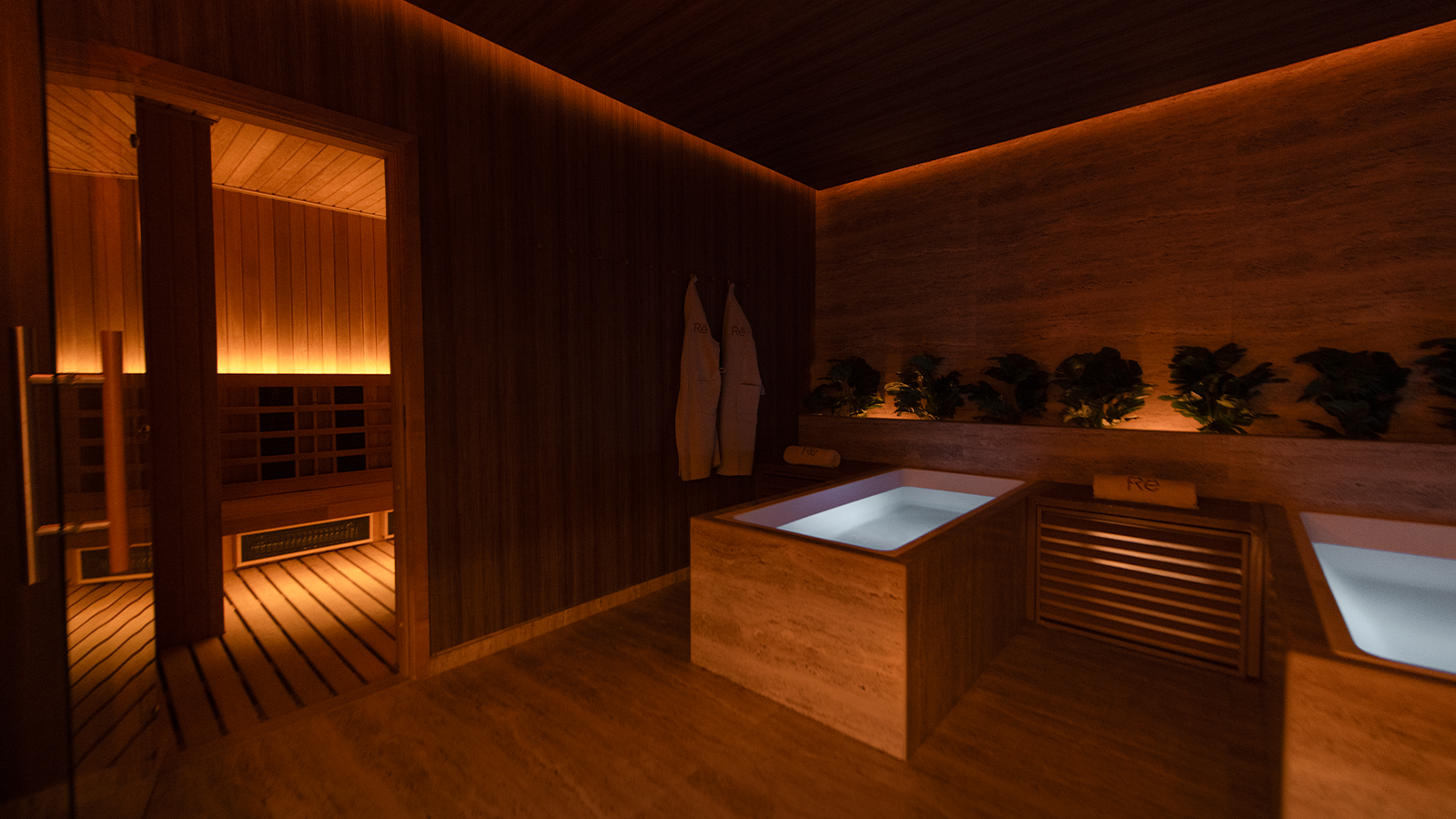
When people move, recover, or go through contrast therapy together, something shifts. A group class, a shared sauna, or an ice bath session creates space for connection and trust. In a fast-paced world, community conversations happen naturally when people slow down in the same space.
Many people associate wellness with solo practices like meditation or workouts. What inspired you to focus on wellness as a collective or communal experience?
It was never about choosing collective over solo, it’s about designing for both, intentionally. Some practices work best alone, others are more powerful when shared. We wanted to create spaces where both could coexist.
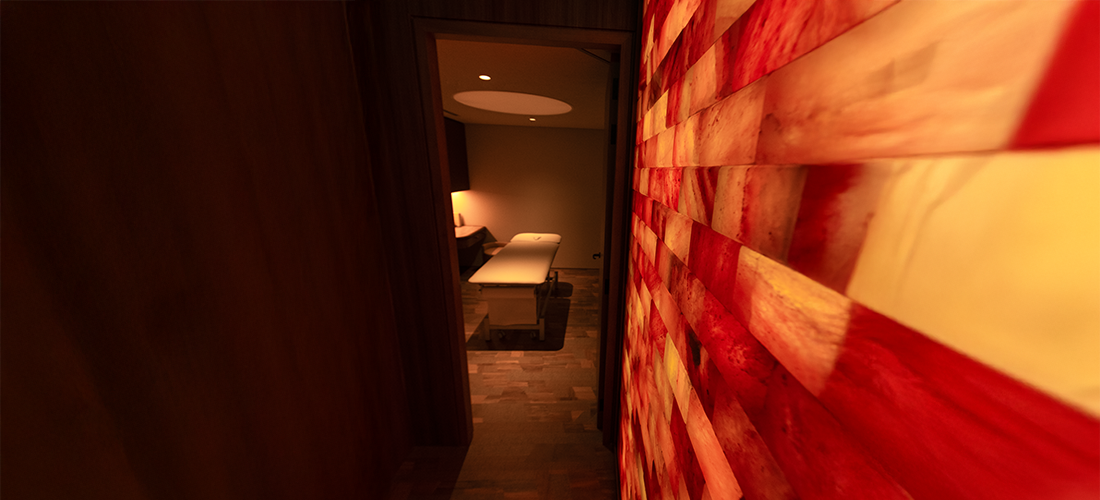
That’s where the contrast room and communal sauna come in. They’re designed to host up to ten people and have naturally become places for connection in unexpected ways, business conversations outside a boardroom, friends bonding after training, or even healthy date nights instead of the typical nightlife setting. These spaces allow people to connect in a calmer, more intentional environment.
That thinking extends into how our memberships are structured. There’s a clear journey, from training to recovery, from solo sessions to shared experiences. Wellness isn’t a single moment or modality. It works best when it’s designed as a complete ecosystem, under one roof, with wellbeing as the common intention.
How has your own personal journey shaped the way you approach wellness, especially in terms of balance, connection, and sustainable habits?
My journey started in performance. I worked closely with athletes, studied sports science, sports psychology, and entrepreneurship, and spent more than twelve years working one-on-one with individuals. Over time, I realised that high-performing professionals are not the same as athletes, even though they’re often treated the same way.
People in demanding careers spend most of their day in a fight-or-flight state. Deadlines, decision-making, and constant stimulation (screens) keep the nervous system switched on. Without deliberate recovery, they rarely enter rest-and-digest mode, which is essential for both physical and mental health.
That understanding reshaped how I approach balance. Intensity without recovery doesn’t build resilience, it creates burnout. Whether someone is an athlete or a professional working nonstop, training has to be intentional, and the mental component is always central. Sustainable habits come from respecting the nervous system, creating structure, and building connection, both with your body and with the people around you. That perspective is what ultimately shaped Rē.
In terms of mental health and emotional wellbeing, what gaps do you think current wellness trends are missing and how does Rē Wellness Club address them differently?
A lot of wellness today treats symptoms, not systems. There’s an overfocus on hacks and quick fixes, and not enough attention on nervous system regulation, environment, and belonging. Add to that the sheer volume of information, too much advice, too many trends, and often a lot of misinformation, without proper guidance or context. People are left trying to self-diagnose and self-manage systems that are deeply interconnected.
Emotional wellbeing doesn’t exist in isolation. It’s shaped by gut health, sleep hygiene, training load, recovery, stress exposure, and daily environment. When these inputs are misaligned, mental health suffers, even if someone is doing all the “right” things on paper.
At Rē, we don’t treat mental wellbeing as a standalone service or a quick fix. It’s built into the system: how the space is designed, how programs are structured, how recovery is prioritised, and how care is guided over time. The goal is to reduce noise, provide clarity, and support regulation through a managed, integrated approach.
How do you envision the future of wellness evolving, particularly regarding community-based practices, and what role do you see Rē Wellness Club playing in that future?
Wellness is moving toward managed, personalised care. The future isn’t about more modalities or trends, but about systems that are guided, measurable, and adaptable over time. Community will support that shift by improving consistency, accountability, and long-term adherence.
Rē is designed for this next era, where diagnostics inform decisions, environments support regulation, and care is delivered as an integrated experience under one roof. Our role is to help define what modern wellness looks like when it’s structured, personal, and sustainable.