The 3AM Mindset: How One Emirati Woman Masters Running, Riding, and a Full-Time Career

By Rebeca Pop, Editor at The Wellness Collective
Balance, for most people, is something they chase. For Hessa, it’s something she schedules. An endurance runner, competitive equestrian, MBA graduate, and full-time professional, she has built a life that leaves very little to chance and everything to commitment. In this conversation, she opens up about early mornings, recovery rituals, breaking barriers as an Emirati woman in sport, and why her ultimate goal is an Olympic starting line.
1. You’re an endurance runner, horse-rider, MBA graduate, and full-time professional, all high performance roles. How do you balance such intensity while maintaining wellness in your day-to-day life?
For me, balance comes from planning as I function best with a structure so I always set my priorities well in advance. My schedule is organized monthly, and everything goes into it—my workouts, my corporate duty hours, family time, social commitments, and any appointments. Having that clarity ahead of time keeps me grounded and allows me to manage each role without feeling overwhelmed.
2. Walk us through a typical training week. How do you structure your sessions for running and equestrian work, and what balance do you strike between intensity and recovery?
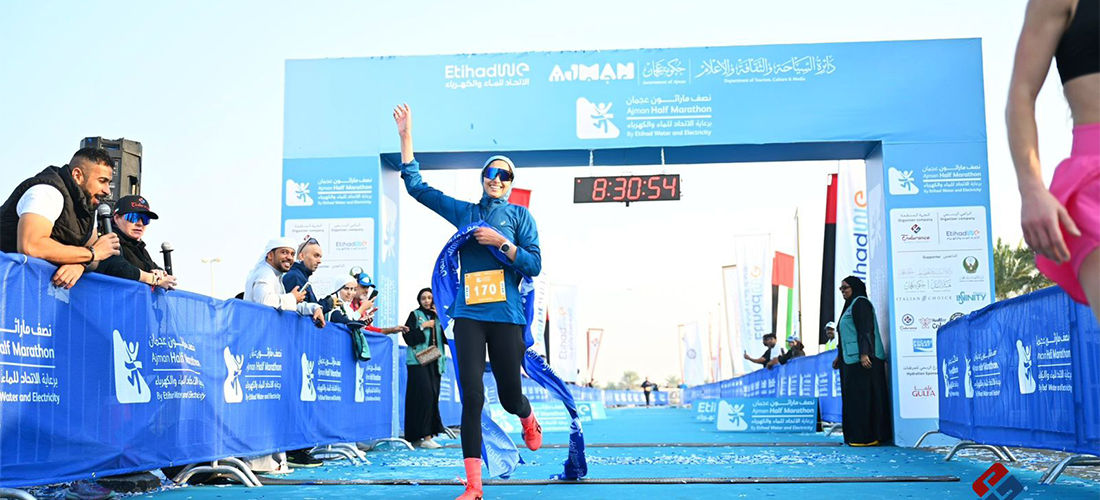
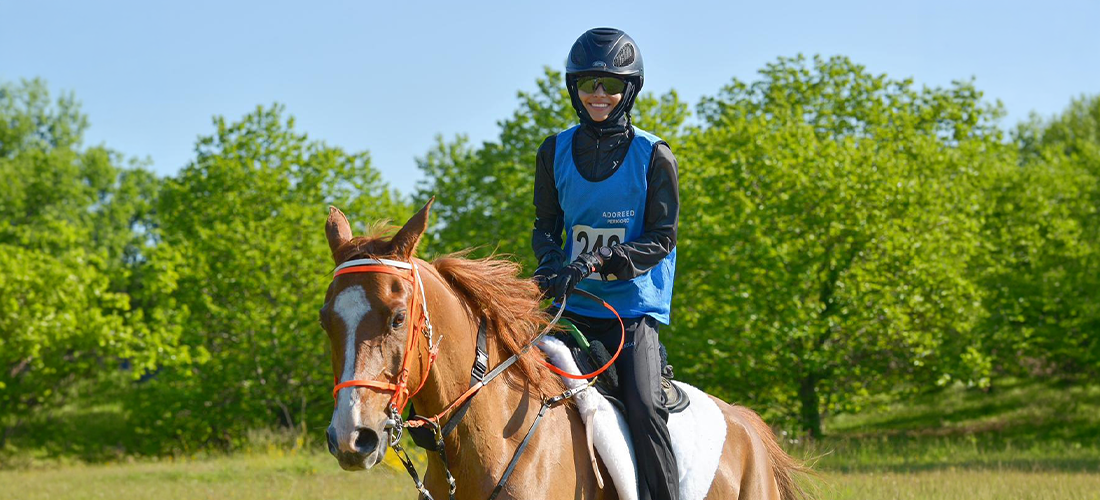
A typical training week for me consists of 6 training days and 1 rest day. For running, it includes a mix of endurance runs, interval and tempo sessions for speed, and one longer run on the weekend. For horse riding, it is 3-4 rides a week and then 1 longer ride every 2-3 weeks.
Balancing running, riding, and a full professional day requires commitment and discipline. My mornings often begin at 3AM, allowing me to run at 4AM, ride at 6AM, and arrive at work by 8:30AM. It is demanding, but it is also empowering. Those early hours are where consistency is built and progress happen, long before the rest of the world wakes up.
The most important part of training, though, is recovery. I make sure to warm up and stretch after every run and include mobility work on my gym days.
Recovery is non-negotiable. Just as I schedule my training or meetings, I schedule rest. And one of the most important parts of my routine is what I call “Hessa Day”: a full day dedicated entirely to myself. No obligations, no social plans, nothing that requires my energy. It’s my reset button, and it allows me to recharge and stay consistent across my busy schedule. This happens once every 10-14 days.
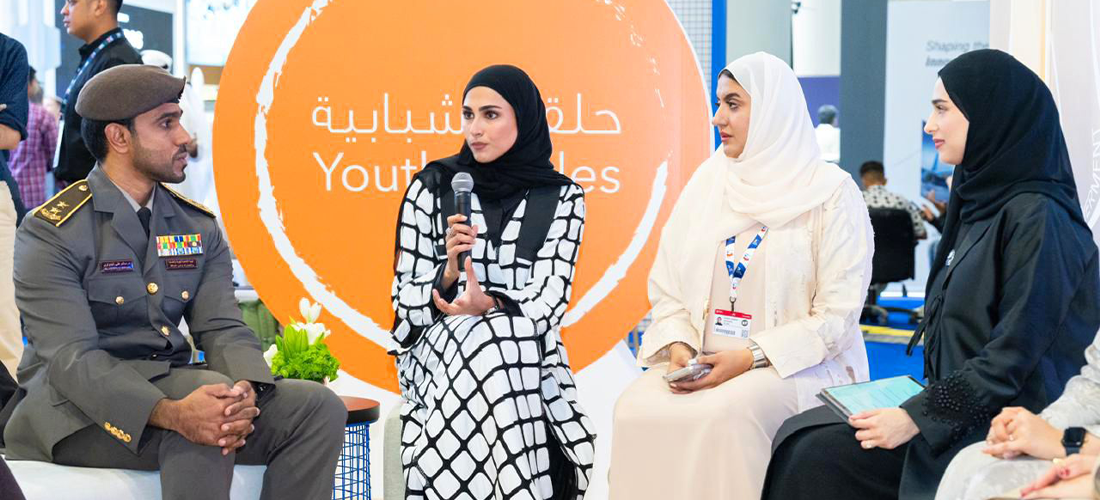
3. Many athletes now rely on data. What key metrics do you track (heart-rate zones, training load, HRV, recovery time), and how do these guide your routine and performance adjustments?
I barely rely on data for my training and mainly go by how I feel. The only data I really look at comes from my Garmin watch: heart rate, training load and effect, VO2 max, sleep tracking, that sort of thing, but even that isn’t a major factor in deciding how I adjust my training. I do use heart-rate zones during easy sessions to make sure I stay within the intended range and don’t push beyond what the workout requires. I place a strong emphasis on getting enough sleep, but even if the numbers are low, I don’t let it dictate whether I train — I still complete every session as planned. Even though I’m not heavily invested in data, I do notice one thing: on the days when I have a really low resting heart rate, I tend to perform better. Overall, I trust my own sense of readiness and my coach’s guidance more than any numbers.
4. Nutrition is essential for longevity in sport. What’s your approach to fueling: before, during, and after intense training and how has it evolved with experience?
My approach is fairly simple and practical. Before training, I focus on easily digestible carbs; something that gives me energy without feeling heavy, usually dates or a small banana. During longer or more intense sessions, I take small amounts of carbs every 30–45 minutes and prioritize hydration, always carrying a bottle with water and electrolytes on my runs. After training, I focus on protein and carbohydrates to support recovery, along with plenty of fluids.
Interestingly — believe it or not — I don’t consume caffeine at all. I simply don’t like it, and I don’t use it during training or races. I rely purely on proper fueling, hydration, and natural energy.
5. Recovery often determines progress. Which modalities or habits have been most effective for you, from sleep optimization and mobility work to mental decompression?
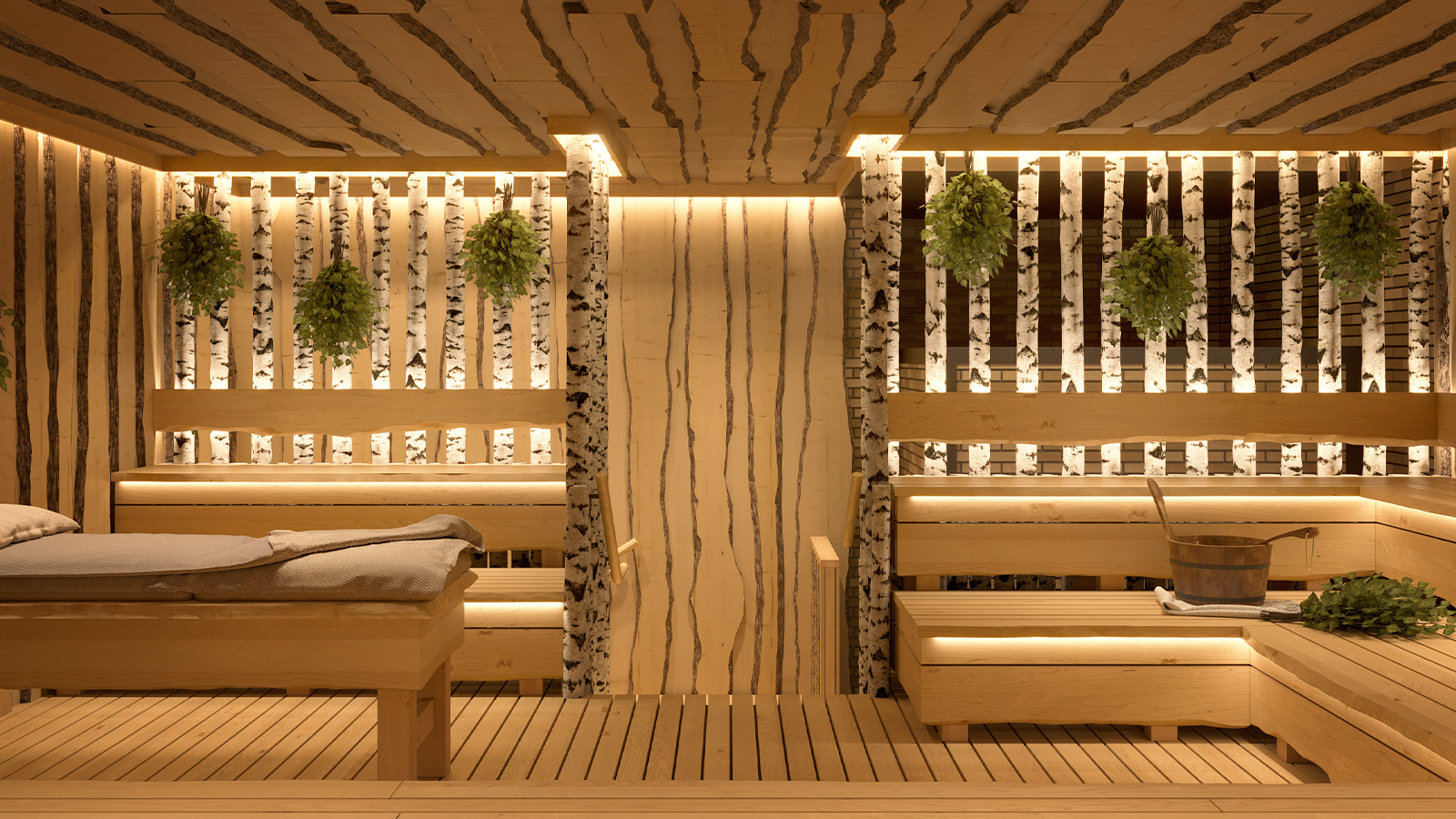
For me, sleep is the foundation as it affects everything from energy to recovery to performance. On top of that, I do PNF stretching once a week and get a full-body massage weekly. I also do contrast therapy 2–3 times a month, including ice baths and sauna, to support muscle repair and circulation.
For mental decompression, I rely on my religious practice by ensuring prayers on time and reading or listening to the Quran regularly, including during my easy runs.
6. Life gets busy, how do you adjust your training plan when work or travel interferes, and what’s your “minimum effective dose” to stay in shape?
This is part of my lifestyle; daily movement and training are non-negotiable for me. Whether it’s work or travel, my workouts never stop. I plan my workouts around my schedule, usually training before work, so it’s done and I can focus on the rest of the day without stress. When I travel, I research in advance where I can train to ensure I don’t miss a session.
If time is limited, I make sure to get in some minimal movement, even a 20–30 minute run — that’s my minimum effective dose to stay in shape and on track.
That said, it’s also fine to push back occasionally; taking an unplanned rest day when needed doesn’t negatively impact me.
7. As an Emirati woman competing in endurance sports and building a career, what unique challenges and opportunities have you experienced in the UAE’s evolving wellness scene?
Challenges:
When I started, there weren’t many local Emirati athletes, either in sports or in professional fields. At first, some people in society didn’t fully accept my choice to pursue endurance sports, even though I stayed covered and wore modest attire to honor my values. A challenge today is finding spaces for Emirati women or females in general, as female-only facilities are still limited in either running tracks or endurance horse riding tracks. On the career side, balancing work and training hasn’t always been easy. I once explained in an interview that I’m a disciplined athlete, hoping to show that this discipline carries over to my work. Instead, my work discipline and punctuality were questioned, and the hiring manager assumed I would prioritize sports over my job.
Opportunities:
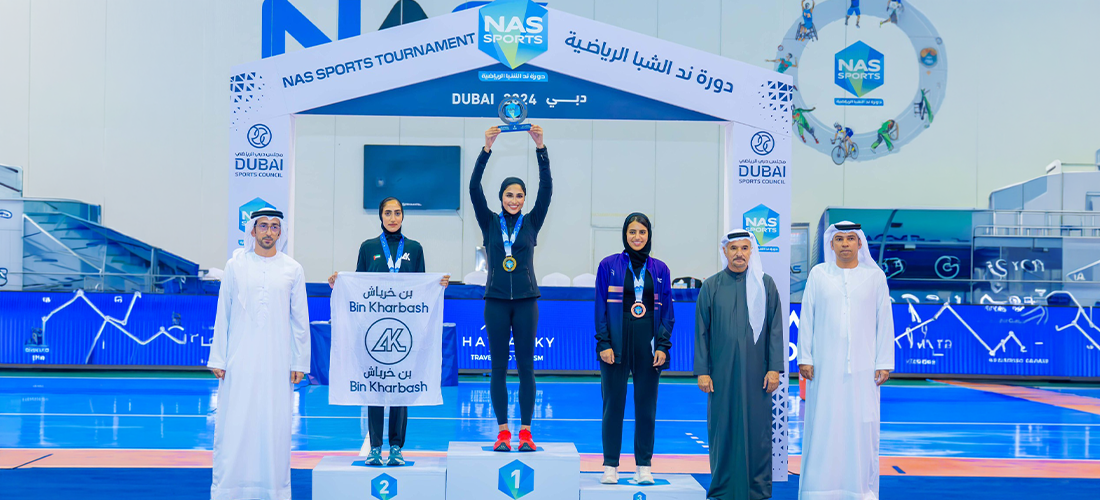
Over the years, as the community has grown, the mentality has shifted significantly — the same people who were once skeptical now support and cheer for me. Many women have reached out to me for guidance in sports, and I’m proud and happy to be part of their journey. Organizations like the Dubai Sports Council have been very supportive of women in sports, promoting ladies-only events, races, and wellness facilities. This evolving landscape has allowed me to connect with like-minded athletes and inspire others to pursue active lifestyles. Personally, balancing a career and training has taught me a lot — I’ve become more disciplined, resilient, and mindful of caring for my body than I was before.
8. Looking ahead, what are your upcoming performance goals, and how do you see technology and wellness science shaping the next generation of athletes in the region?
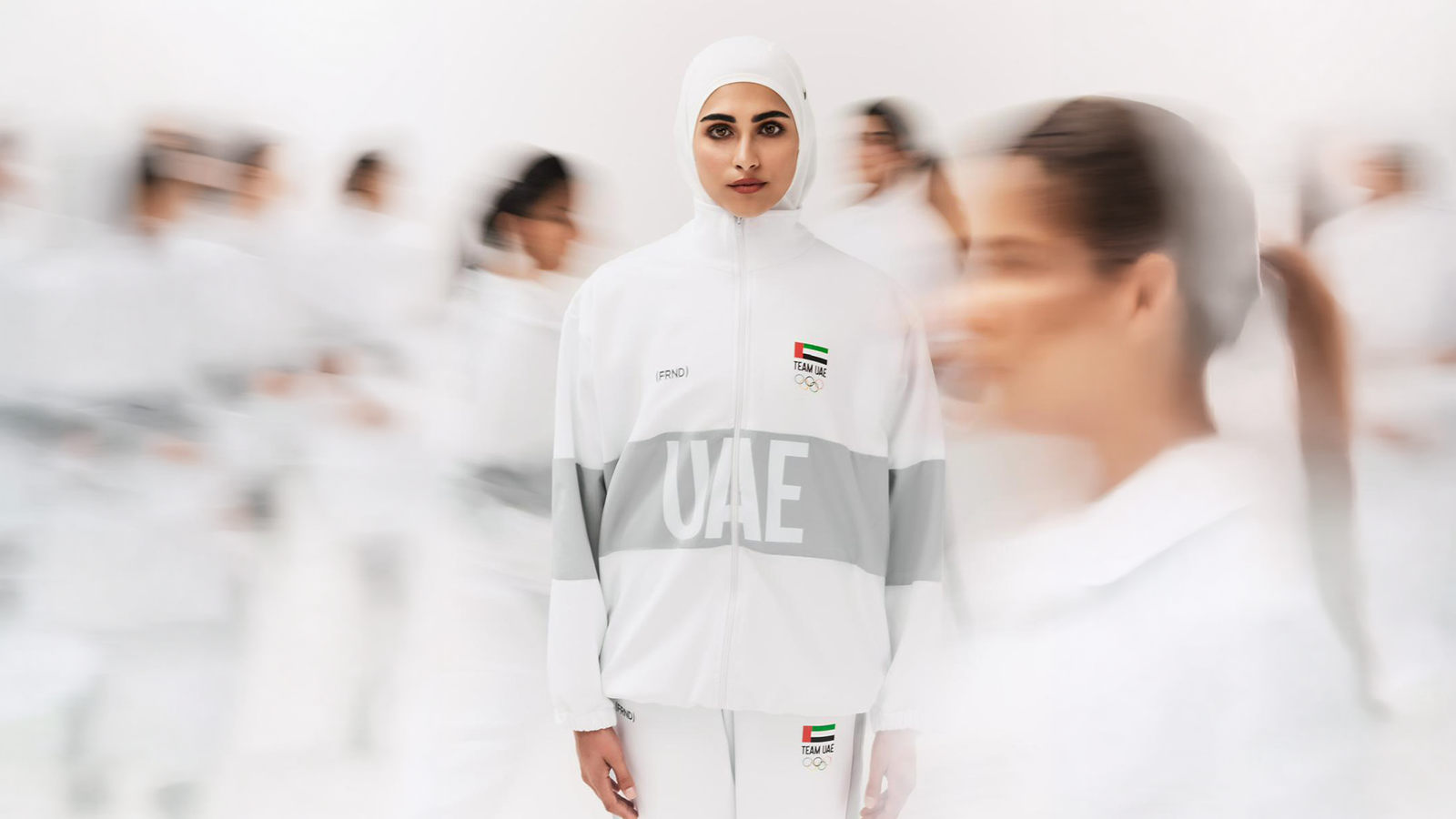
Looking ahead, I continue to focus on improving my endurance and speed in both running and horse riding. I aim to set personal bests in my 5K, 10K, and half marathon, and participating & completing a full marathon is one of my goals. One of my long-term ambitions is to qualify for the Olympics representing my country. I also plan to participate in more competitive events, both locally and internationally, while mentoring and inspiring other Emirati women to pursue sports at a high level.
Regarding technology and wellness science, I see it playing a huge role in shaping the next generation of athletes from wearables and performance tracking to recovery tools that help athletes train smarter and prevent injuries. At the same time, I believe in sticking to the basics and not relying too heavily on technology. With these advancements, combined with the growing community support for women in sports, the UAE and the region are in a strong position to develop a new generation of high-performing athletes.