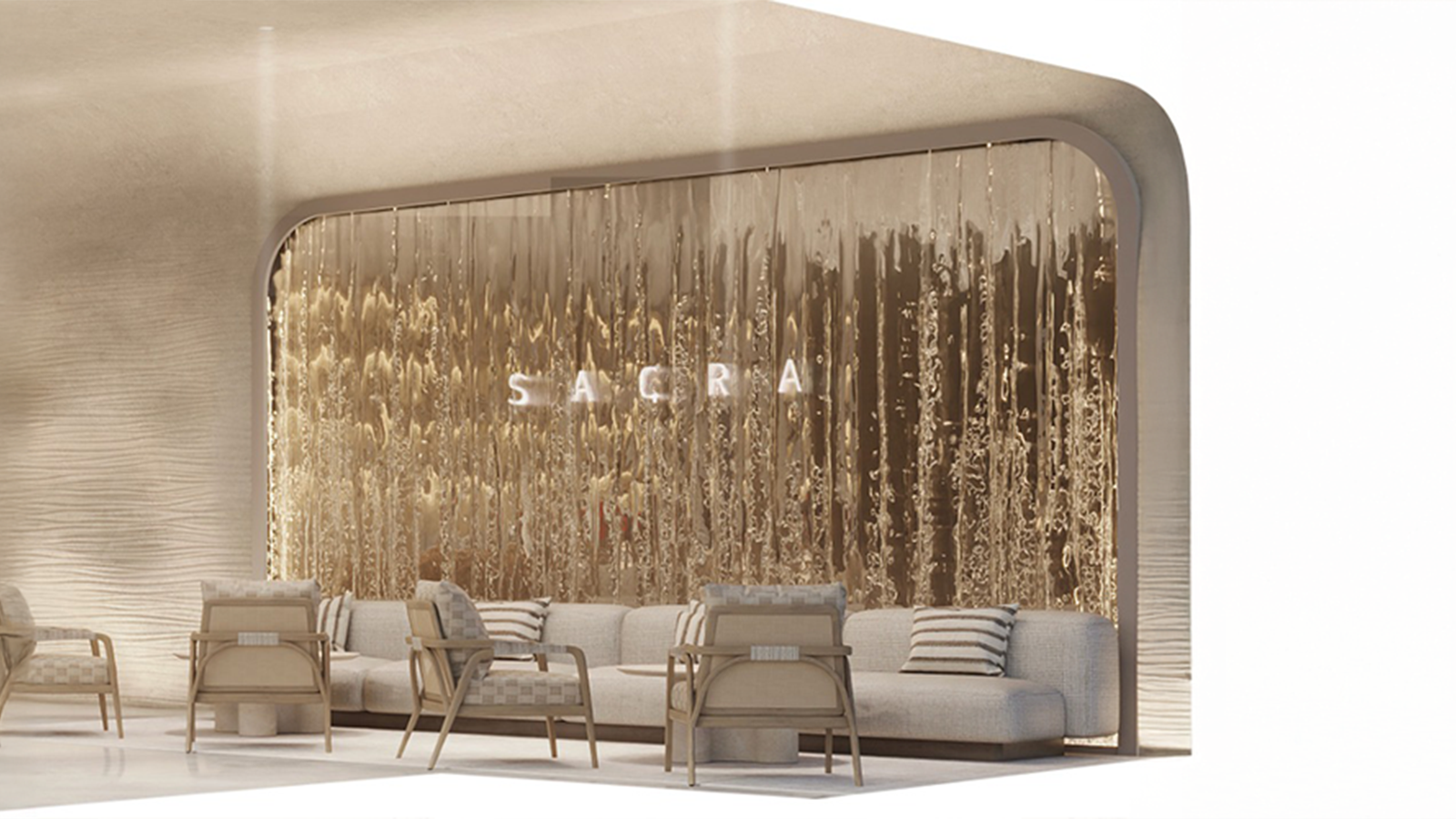
Unveiling SACRA: The Middle East’s First Bathhouse Wellness Retreat

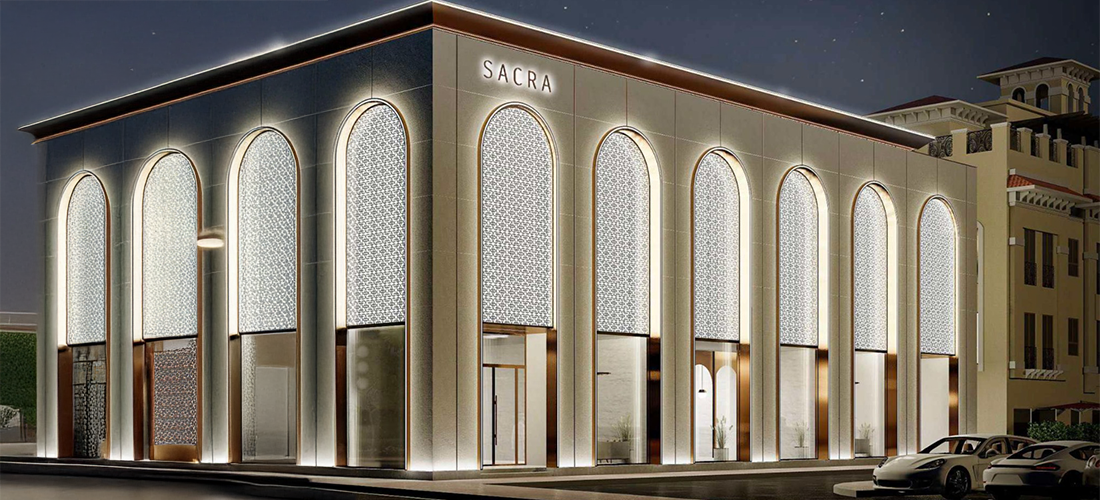
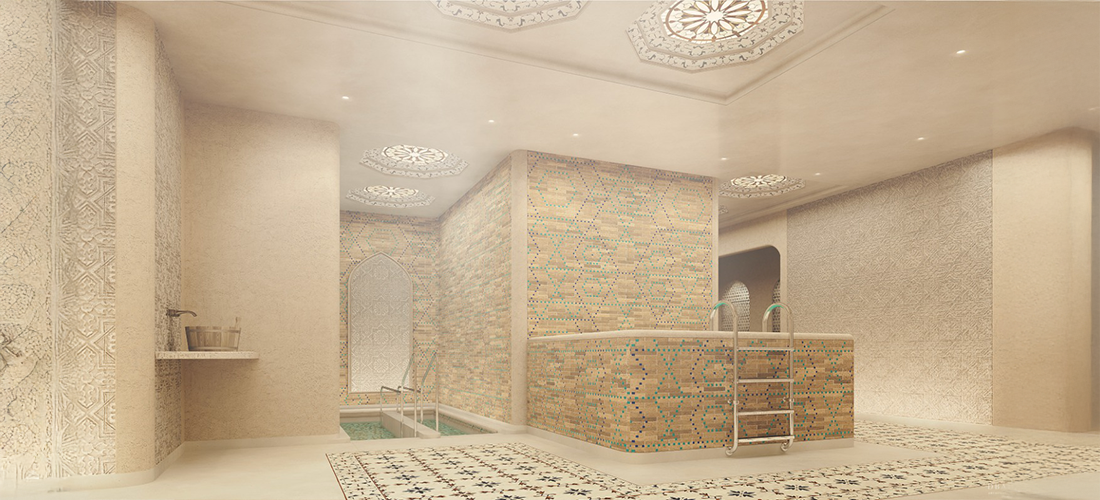
In the heart of Dubai, a new standard for holistic health is being forged, not through the quiet isolation of a traditional spa, but through the roaring heat and ancient rituals of a world-class bathhouse. SACRA arrives as the Middle East’s first and only dedicated bathhouse wellness retreat, a bold 2,400-square-meter sanctuary designed to redefine the ultra-luxury wellness landscape.
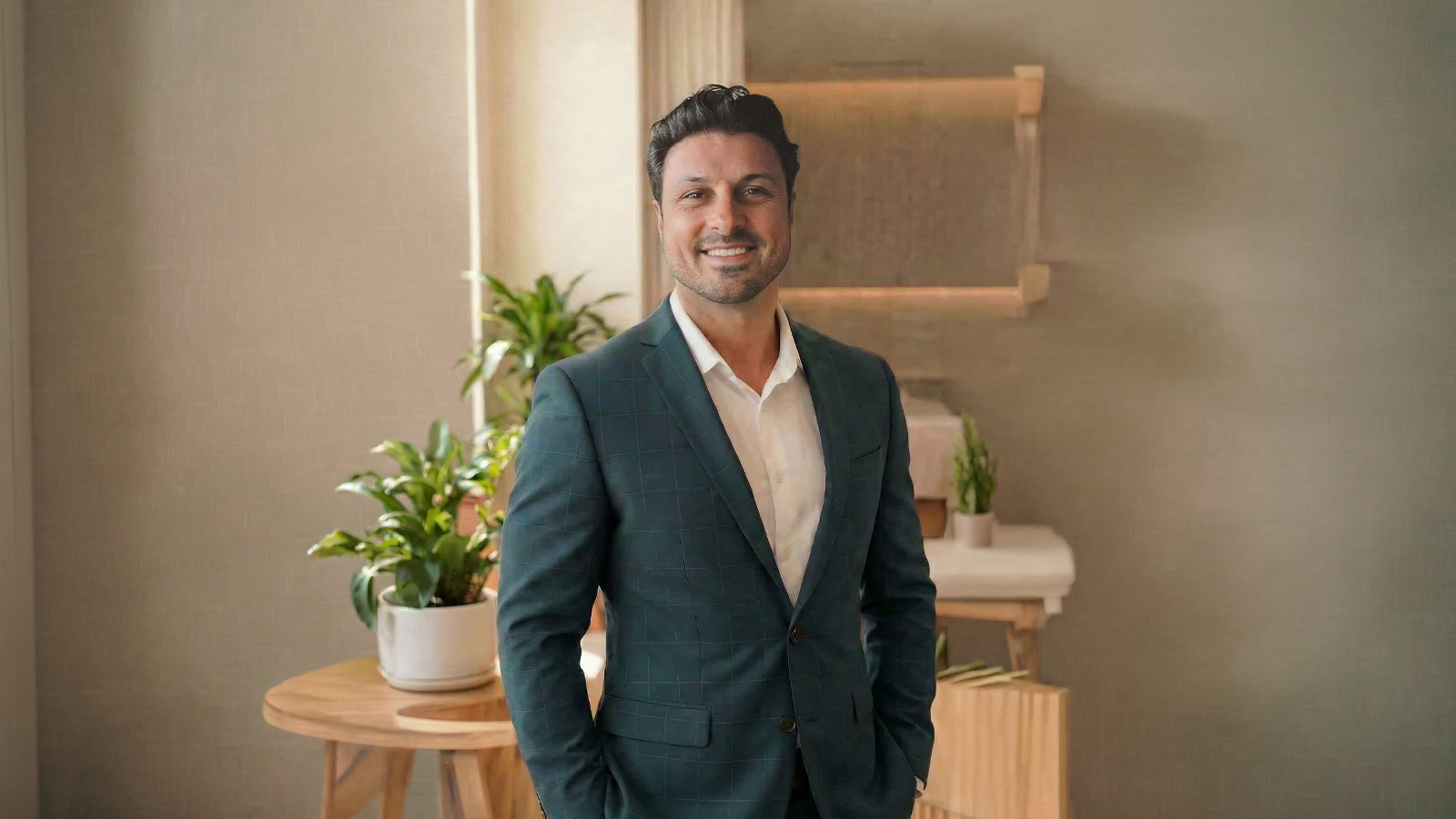
Leading this transformation is Eugenia Batrak, the Global Head of Spa and partner at Bulldozer Group, whose vision bridges the gap between centuries-old Slavic traditions and the cutting-edge bio-hacking needs of the modern elite. From the implementation of a massive 65-tonne handcrafted furnace to the founding of a dedicated “School of Steam Masters,” Eugenia’s leadership is rooted in the belief that wellness is an active, disciplined, and deeply cultural pursuit. In this interview, we dive into how SACRA is moving beyond the “one-hour treatment” to create a high-performance community centered on longevity, ritual, and the art of the Banya.
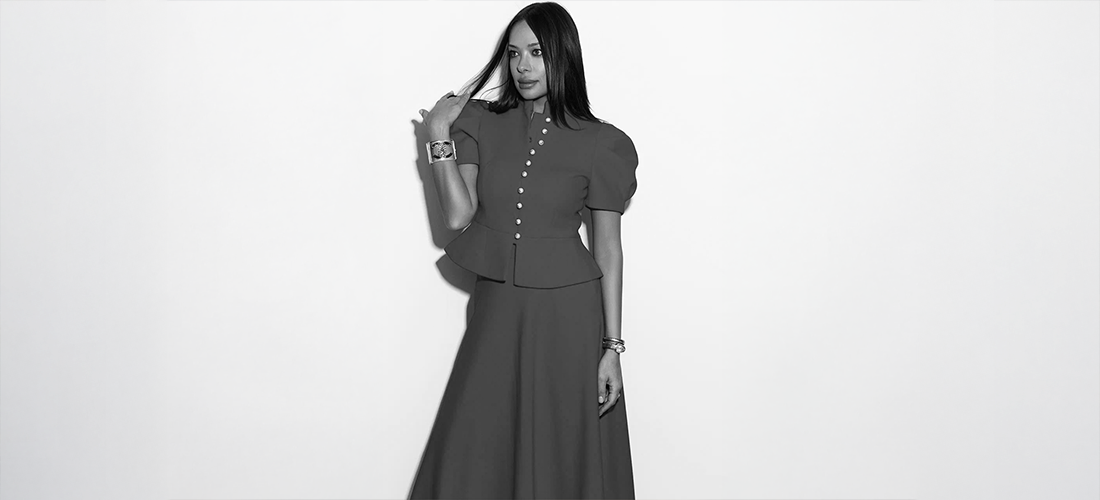
1 – Interviewer:SACRA is being presented as the only “World Bath Spa Resort” concept in the Middle East. With such a massive physical expansion, how are you redefining the ultra-luxury wellness category to go beyond the traditional hotel spa experience?
Eugenia Batrak:
Banya is an ancient ritual, that started over a thousand years ago in Russia. It’s a full experience that began in CIS countries in the concept of a small house approx. 40 square meters, aimed for cleansing the body inside out. The original name translated was “banya in black” which meant that the temperatures were very high.
One of the main points to highlight about SACRA and the concept around it, is that this is a bathhouse first. In a traditional hotel spa, you have separate rooms for rituals that last two or three hours maximum; it’s a very slow, isolated process.
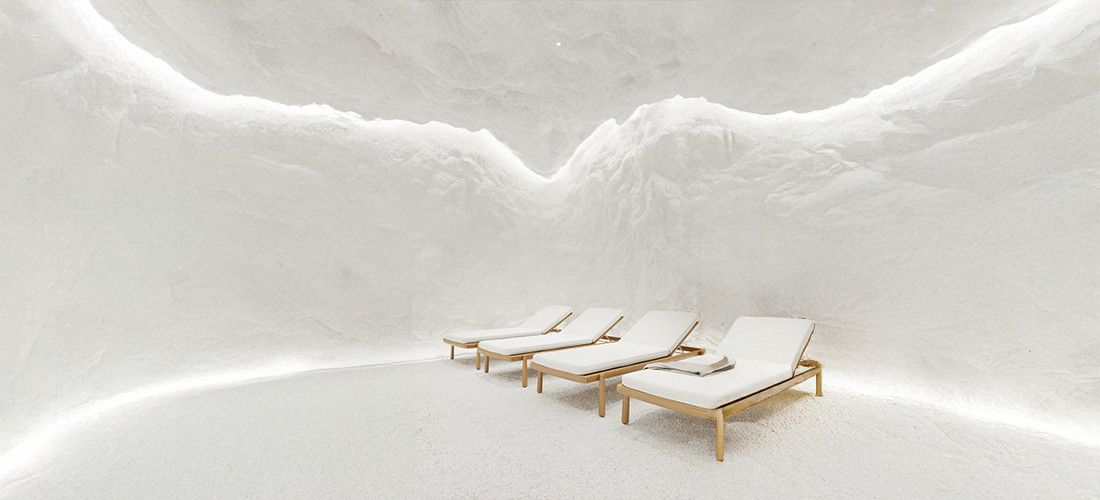
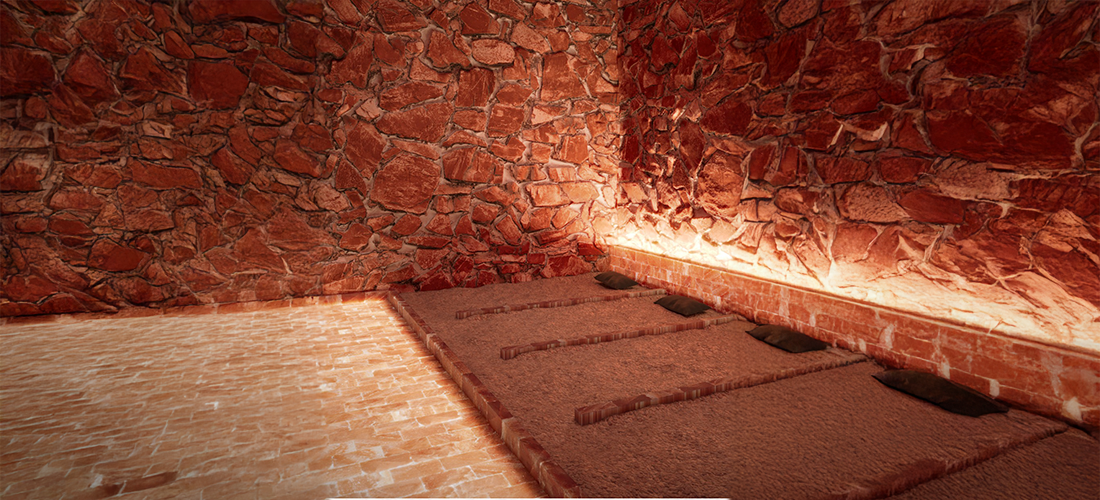
A bath complex is something entirely different to a regular spa, I compare our concept to a workout session. In a gym, you have different machines and disciplines like Pilates or cardio; inside a bathhouse, the ritual is an active process for the body. You start with a light preparation phase, move into active sessions, and eventually very intense sessions once the body is prepared. Between these, you utilize facilities like white and pink salt rooms or contrast plunges. It is a space where you spend a significant amount of time, often up to six hours, actively training your body’s systems.
2 – Interviewer:For those unfamiliar with the concept, can you explain what the “Banya experience” actually entails at SACRA?
Eugenia Batrak: The “Banya experience” can be gentle or very tough depending on the guest’s request.
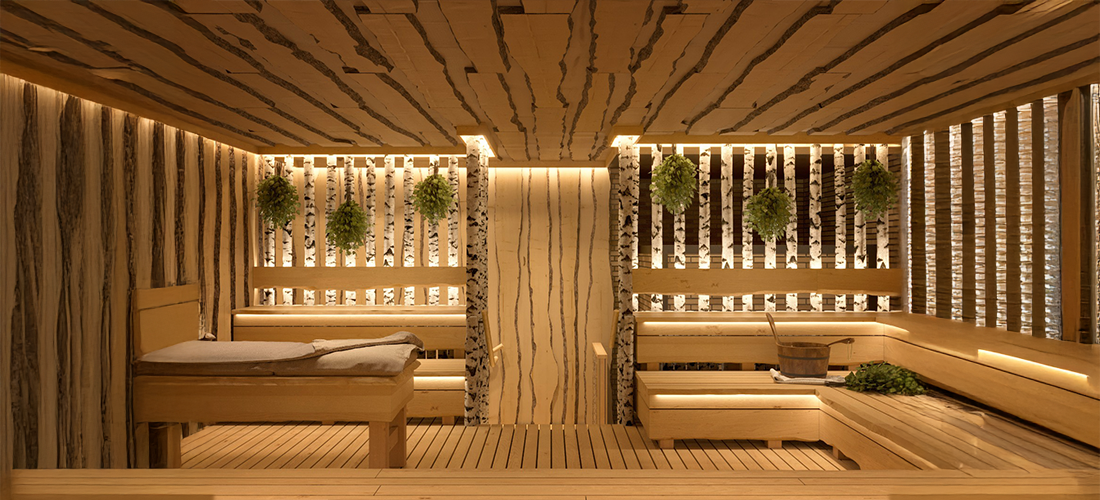
The ritual involves a “Steam Master” (or Banchik) using five different types of brooms which we import from Russia, to apply heat to the body. While the guest is experiencing these brooms in high heat, the master applies cold towels or fir branches to the head to maintain a thermal balance. It is an ancient, centuries-old ritual for health and cleansing.
3 – Interviewer: We interview many athletes and leaders who train intensely. Can they consider the Banya experience as a recovery tool?
Eugenia Batrak: 100%. It is one of the best recovery methods for athletes because it removes toxins and dead cells through the process of losing extra water, while the cardio system is heavily stimulated.
It can be used right after training to relax muscles with the steam and cold plunges, or as a separate “workout day” because it maintains a high metabolism. We already have a client base of hockey, football, and Padel players, as well as UFC and boxing teams who use it frequently for recovery in our other global locations.
4 – Interviewer:While the Banya is the heart of SACRA, what other facilities are available for those who might not want that specific intensity?
Eugenia Batrak: We have a diverse ecosystem. For different steam preferences, we have a Hammam (wet steam) and a Sauna (dry steam). We also have a Hyperbaric Chamber, which is vital for cellular oxygenation, and white/pink salt rooms that are amazing for lung health. If you want a purely passive experience, you can use the flotation tanks for sleep and relaxation, then head to our restaurant area.
5 – Interviewer:You mentioned the restaurant: service and food seem to be major pillars for you.
Eugenia Batrak: Absolutely. There are three characteristics that differ us from any other project: amazing steam and rituals, high service, and incredible F&B. Our menu is very wide, covering Russian and CIS elements like Georgian cuisine, alongside Mediterranean options like black caviar and lobsters. We have healthy and vegan options as well. It is a complete social hub.
6 – Interviewer:Moving to leadership – you’ve been with the Bulldozer Group for a long time, transitioning from an employee to a business partner. Did this change your vision for wellness expansion?
Eugenia Batrak: To be honest, no, because I have always been deeply engaged and dedicated. We have learned through our own mistakes and failures over the years, and that is now our strength. When we started, we were the first to bring this hospitality-focused bathhouse model to the market. I am grateful to Alexander [Orlov] for starting this division; my background was in the wine and alcohol business, so this was a new path for me. The only thing that has changed is that the responsibility is much higher now, but so is the reward.
7 – Interviewer:You are planning to expand SACRA to various exclusive global destinations. How do you maintain the core brand identity while adapting to different metropolitan cultures?
Eugenia Batrak: It is a huge challenge. We currently have 26 ongoing projects. Before entering a market, we conduct massive marketing and financial research to see what a specific city likes or dislikes.
While the brands might have different names – for example, “Sacra” is specifically for the Middle East and Europe – the core values remain the same because we use the same highly trained operational teams. We have our own “School of Steam Masters” where our team travels between regions to train local staff. Even our Dubai team travels to our other international locations to ensure the service and rituals stay consistent.
8 – Interviewer:You mentioned the “Banchik” or Steam Master. Why is their role so specialized?
Eugenia Batrak: In English, we just say “Steam Master,” but the role of a Banchik is vital. They are very artistic, sensitive, and empathetic people, almost like musicians or therapists. Everything in the Banya depends on them; they must be inspired because the ritual is like a live concert. That is why we are bringing our top masters from our exciting projects to lead the process here in Dubai.
9 – Interviewer:Do you believe that building this internal culture with your employees is more important than just building a successful business?
Eugenia Batrak: We build the business on the culture. We created a brand based on values like health and ritual. We invest heavily in growing our employees. We are very tough and demanding because we provide a high-service experience, and if an employee doesn’t meet those expectations, we have to stop cooperating. However, because of that investment, we have many team members who have stayed with us for years. We aren’t just selling a one-hour treatment; we are selling a process where people stay for six hours. You can’t do that without a strong internal culture.
10 – Interviewer: Looking toward the 2026 wellness landscape, what is the next “standard and vision” that leaders should be paying attention to?
Eugenia Batrak: Longevity is such a core topic not only in UAE, but also worldwide. There are so many bio-hacking tools available and people are trying to tap into them to prolong their life and the quality of their life. Because it’s not a matter of length of life, but rather of how well have you lived your life. For example people who live from 60 to 90, we should ask ourselves, how well are these people living their lives? Are they having a smooth lifestyle as they’re getting older, or are they burnt by various health conditions? For me, wellness, most of the time, translates to very simple but efficient daily routines: sports, sleep and nutrition, if these are not considered by people as a daily habit, then all the technology and health hacks won’t go a long way. Self care it’s not just about visiting wellness clinics, it’s an everyday choice.