Why Nafsi is the Cultural Bridge the Middle East’s Mental Health Market Needed

By Rebeca Pop, Editor at The Wellness Collective
Having lived in the Middle East for over 5 years, I have noticed an element of stigma around the topic of mental health. Granted, I myself am originally coming from a post soviet country where mental health is also not a topic that older generations engage easily with. That’s why I was happy to bump into a solution such as Nafsi – the UAE’s first fully licensed digital mental health clinic that is changing that narrative by blending clinical precision with cultural sensitivity.
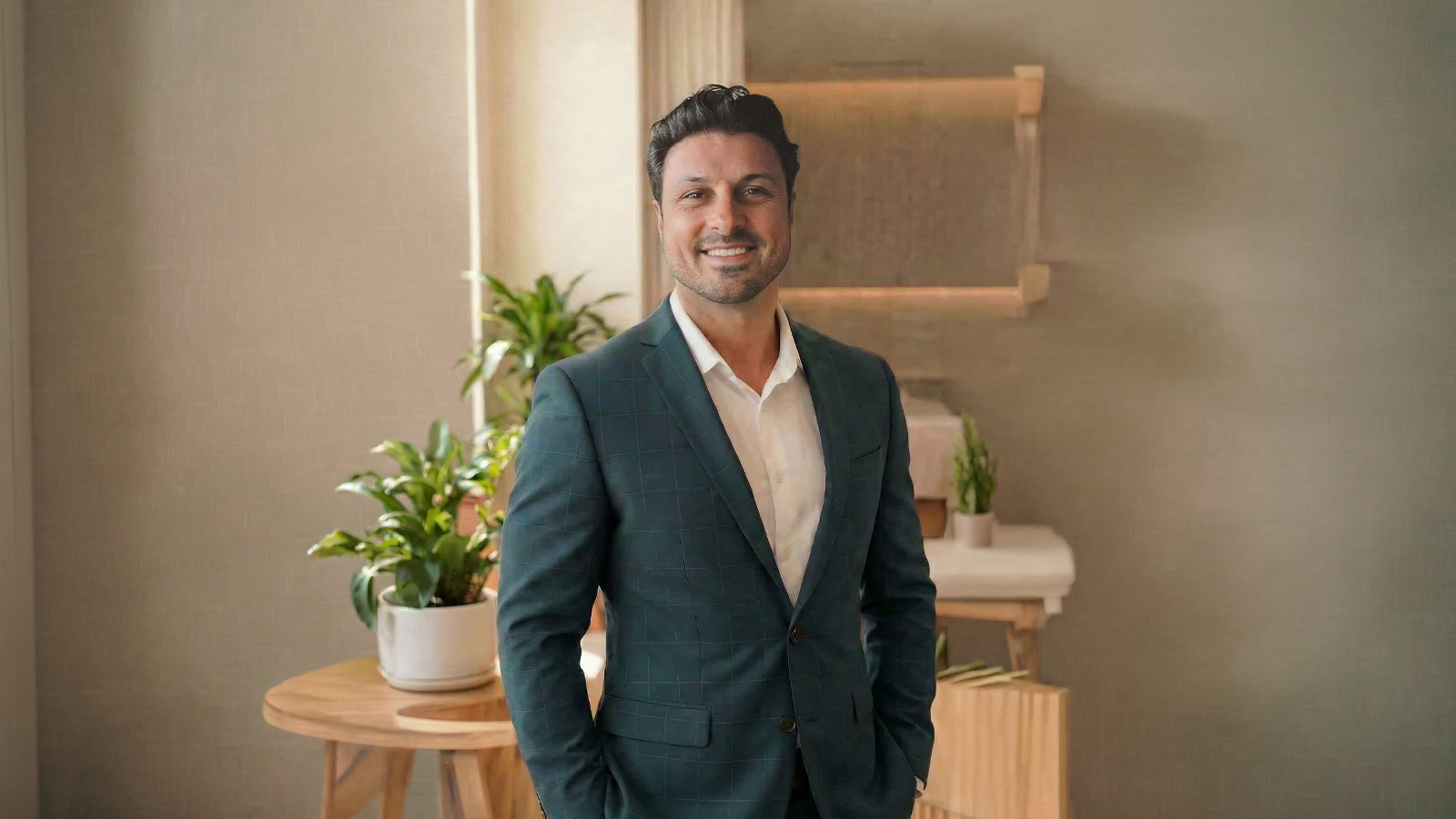
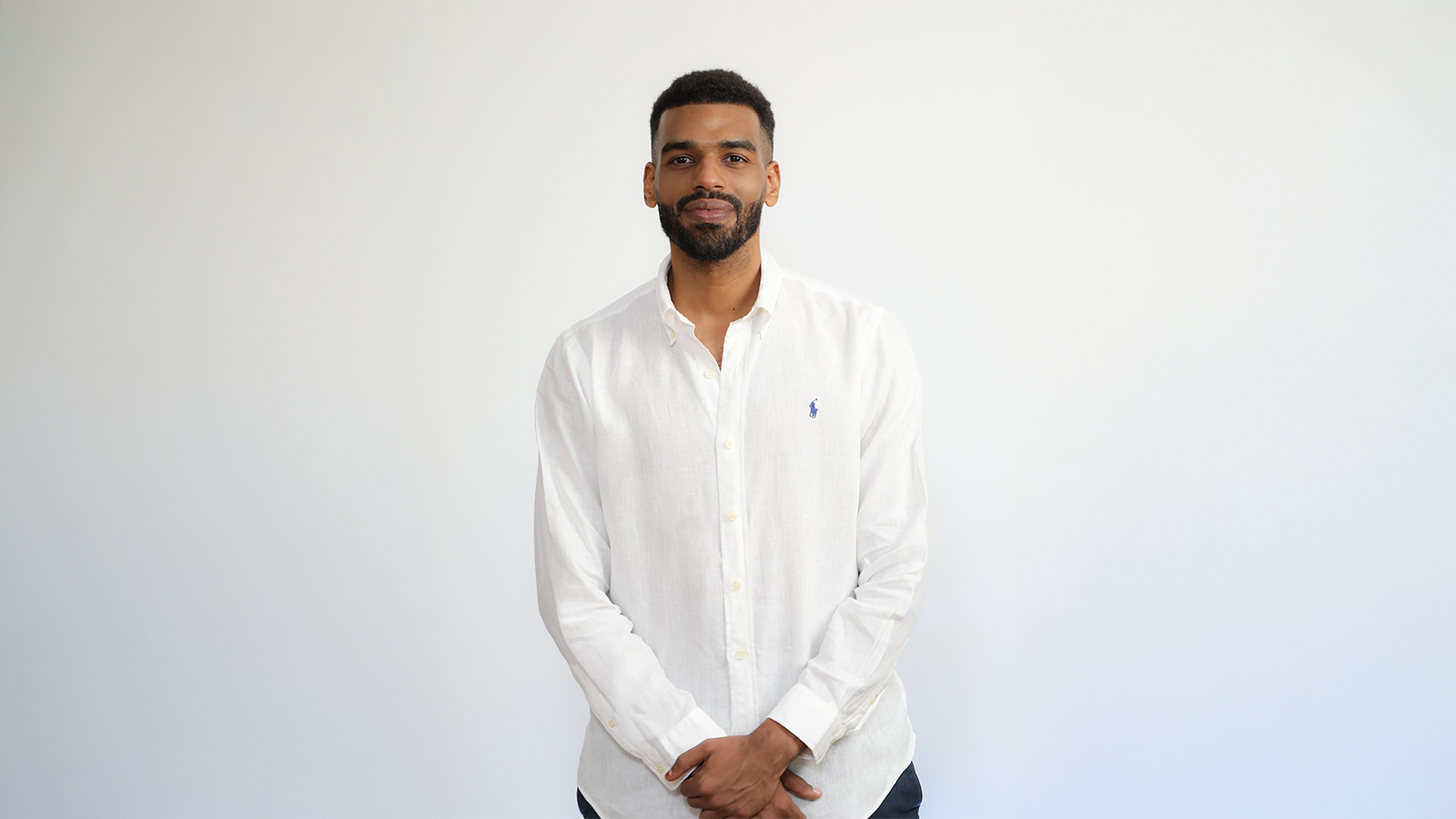
Co-Founded by Sammy Sawaf & Tayeb Hassan, who noticed the quiet epidemic of burnout and anxiety while supporting high-impact founders, Nafsi has rapidly grown to serve over 10,000 users. It differentiates itself from generic wellness apps by being a treatment-led, DHA-regulated clinic that matches users with licensed professionals who speak over 18 languages and understand regional nuances.
From breaking stigmas through partnerships with fitness hubs like Desert Barbell to providing free care for refugees through its non-profit arm, Nafsi Li Nafsak, the platform is normalizing mental health as a vital part of overall performance and resilience.
1 – For those hearing the name for the first time, what exactly is Nafsi? How does it function as a ‘digital mental health clinic,’ and what differentiates its mission from a standard therapist directory or a generic health app?
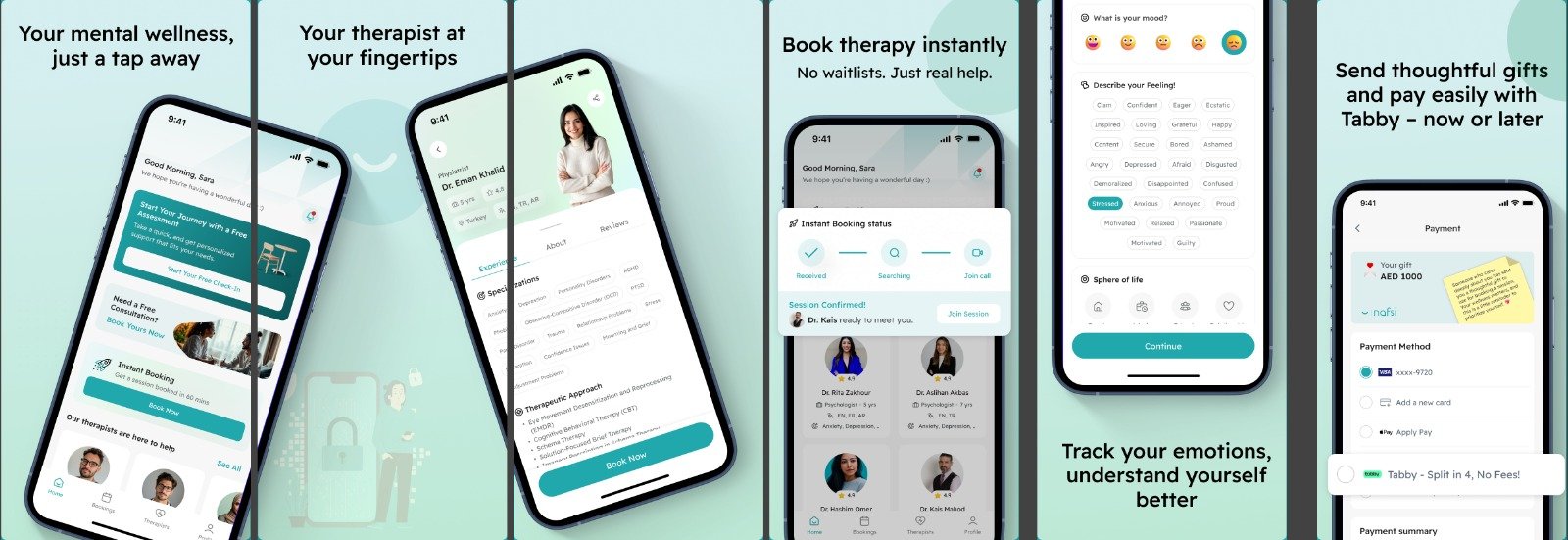
Nafsi is a fully licensed digital mental health clinic built with the Middle East in mind. At its core, we provide access to evidence-based online therapy, clinical assessments, and ongoing mental health support – all delivered by licensed psychologists and psychiatrists who understand the cultural and regional context of our users.
What differentiates Nafsi from a typical therapist directory is that we don’t just “list” professionals. We clinically assess users, guide them to the right level of care, match them with suitable therapists, and support them throughout their journey – much like a physical clinic would, just delivered digitally. And unlike generic wellness apps, Nafsi is not content-only. It’s treatment-led, regulated, and outcomes-focused, combining technology with real human care.
Our mission has always been to make mental healthcare in the region as accessible, structured, and normalized as visiting a doctor.
2 – When did you realize that there’s a massive need for your solution in this region?
The need became undeniable when I started looking at how many people around us were struggling quietly. Not a week would pass by where I though to myself: “If only they had therapy or guidance, they’d feel better”. It wasn’t just a specific segment that needed it, it was high-performing professionals, founders, students, even my own family members. Yet, there was nowhere to turn to that felt accessible, culturally safe, or stigma-free.
In the UAE and wider Middle East, conversations around mental health were happening privately, not publicly. Therapy exists, but is not designed for scale, discretion, or digital-first lifestyles. Long waiting lists, limited language options, and social stigma created huge barriers. Add to this that we’re a region that seems to always be under external stres, geopolitically.
This gap between need (high) and access (limited) is what made it clear that a digital mental health platform tailored to the region wasn’t just helpful, it was necessary.
3 – Nafsi has grown to serve over 10,000 users since its inception. Looking at the data gathered over the years, what are the most surprising shifts you’ve seen in user demographics, and how has this shaped your clinical approach?
One of the most surprising insights has been how early people are now seeking help. We initially expected users to come to Nafsi during crisis moments, but we’ve seen a strong rise in people using therapy proactively – for stress management, relationship challenges, and self-development. Particularly in millenials and Gen Z.
Women historically show more bravery to seek help and self-improve, however, we’ve seen strong adoption across both genders, with male engagement growing faster than expected, which challenges long-held assumptions in the region. This data pushed us to expand our clinical offering beyond crisis care into preventive mental healthcare – integrating psychoeducation, early screening, and long-term treatment planning into the platform.
4 – How does your clientele split between local Arabs and expats? Do you find that these two groups seek help for different sets of issues?
We serve a diverse mix of local Arabs and expats, and while the underlying human emotions are universal, the context often differs.
Local Arab users frequently seek support around family dynamics, societal expectations, identity, and intergenerational pressures. Expats often come in with themes of burnout, loneliness, relocation stress, and work-life imbalance. That’s why cultural competence is central to how we build Nafsi – from offering therapy in 18+ languages to ensuring therapists are trained to understand regional nuances rather than applying a one-size-fits-all approach.
5 – Based on your platform’s data, what are the top three specific mental health issues, such as: anxiety, depression, or burnout that the majority of your users are seeking help with today?
Across the platform, the top three concerns we consistently see are anxiety, depression, and burnout.
Anxiety often presents as chronic stress, overthinking, or performance pressure. Depression tends to show up quietly, emotional numbness, low motivation, or persistent sadness. Burnout, especially in the UAE’s high-performance work culture, has become one of the fastest-growing reasons people seek online therapy. These insights shape how we design our treatment pathways and corporate wellbeing programs.
6 – You’ve partnered with fitness hubs like Desert Barbell to encourage people to treat mental health like physical health. What has been your most effective strategy for breaking the cultural stigma surrounding therapy in the Middle East?
The most effective strategy has been normalization, not confrontation. We don’t position therapy as something you seek only when things are “wrong,” but as something you invest in. Just like going to the gym or seeing a physiotherapist.
Yes, we are there in a crisis and my biggest sense of proud is being a trusted source of support when no one else is there. But, it’s also important to avoid getting to that point by educating users that Nafsi is even more powerful when sought as a preventative solution.
By partnering with trusted fitness and lifestyle brands, and by having public conversations led by founders, athletes, and professionals, we’ve helped reframe mental health as part of overall wellbeing. Language matters too – focusing on performance, balance, and resilience rather than labels such as “fixing”. Over time, that shift creates safety for people to take the first step.
7 – With over 30 corporate partnerships secured, what do your B2B business packages look like, and how are UAE companies currently integrating Nafsi into their employee wellness programs?
We approached corporate partnerships using the same playbook we have with our users, not one-size-fits-all. Simillar to people, organisations come in different sizes, culture and needs. Hence, our corporate mental health programs are designed to be flexible and scalable. Companies typically offer Nafsi as a confidential benefit that includes mental health assessments, one-to-one therapy sessions, crisis support, and educational workshops.
Some organizations fully sponsor therapy sessions, while others co-pay alongside employees. What’s been encouraging is that companies in the UAE are moving beyond tick-box wellness initiatives and integrating mental health into their long-term people strategy.
8 – Insurance coverage is often a barrier to mental health care. How does Nafsi currently work with insurance providers to make therapy more financially accessible for the average resident?
I can share a full article on this topic. But it’s not all doom and gloom – we actively work with insurance providers and corporate payors to reduce out-of-pocket costs for users. In cases where insurance coverage is limited, we offer structured pricing, employer-sponsored sessions, and transparent packages so users can plan their care without financial uncertainty.
Our breakthrough so far is offering Nafsi via Pay and Claim i.e. patients can book and then get reimbursed by their insurance provider. Is it perfect? No. But it’s definitely as step towards the right direction.
We even have a non-profit arm that provides Nafsi’s services at no-cost for the user, named Nafsi Li Nafsak, which in arabic translates to Nafsi for your soul/yourself. We target users who need Nafsi the most, refugees, conflict survivors and migrants – both local and regional.
Our long-term goal is to continue advocating for mental health parity – ensuring therapy is treated like any other essential healthcare service within insurance frameworks across the region.
9 – Tayeb, before founding Nafsi, you worked at Endeavor UAE supporting other high-impact founders. What was the personal ‘spark’ or professional gap you noticed that made you launch UAE’s first fully licensed online mental health platform?
Working with founders showed me how normalized burnout, anxiety, and emotional isolation had become – especially among people who appeared successful on the surface. Yet mental health support was rarely part of the ecosystem conversation.
The spark was realizing that while we were helping founders scale companies, we weren’t supporting the human behind the business. Combine that with personal experiences and the lack of accessible, culturally aware online therapy in the region, and it became clear that this wasn’t just a business opportunity – it was a calling.
10 – Having surpassed $1M in ARR in just under two years, what is the next stage of evolution for the platform to reach even more underserved areas in the region?
The next stage for Nafsi is scale with depth. That means expanding access to underserved communities, strengthening our clinical infrastructure, and partnering with more employers, insurers, and public institutions across the Middle East.
We’re also investing in preventative care, data-driven insights, and digital tools that help people access support earlier before challenges escalate. Ultimately, our goal is to make high-quality mental healthcare accessible, normal, and embedded into everyday life across the region.
The ultimate goal is that when someone thinks of therapy…Nafsi is the first name that comes to mind.