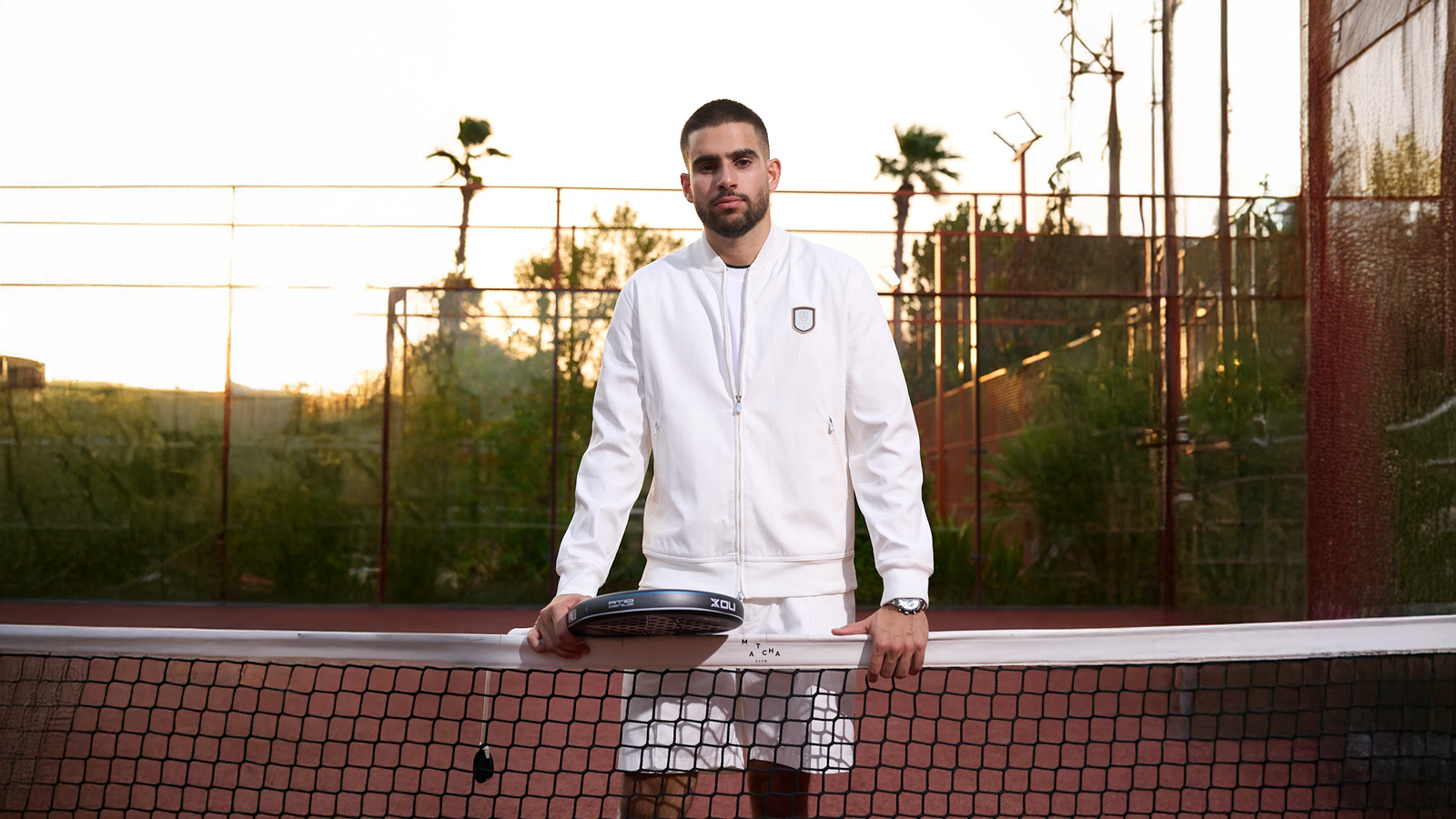
From the Court to Peak Wellness: Fares Al-Janahhi on Sports, Strength & Self-Mastery
 By wellness
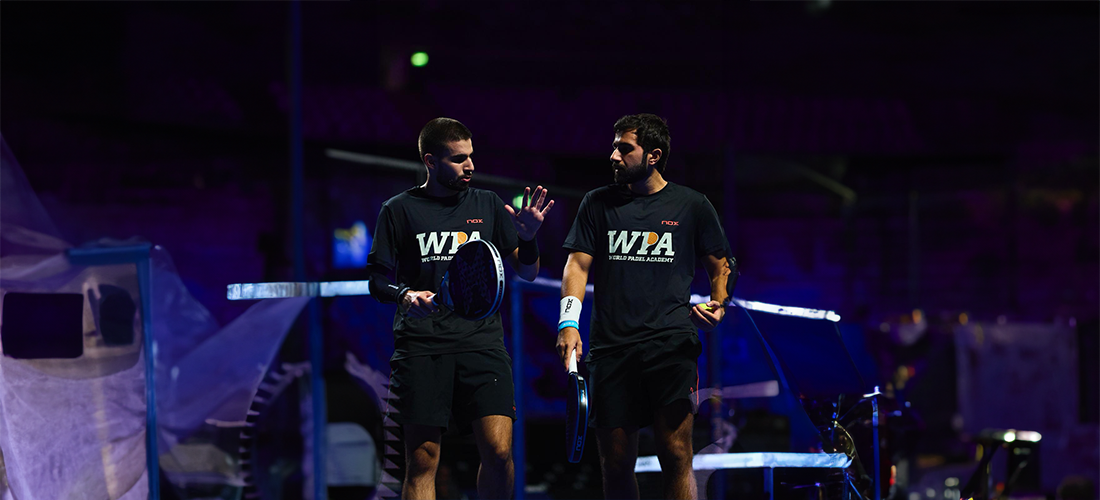
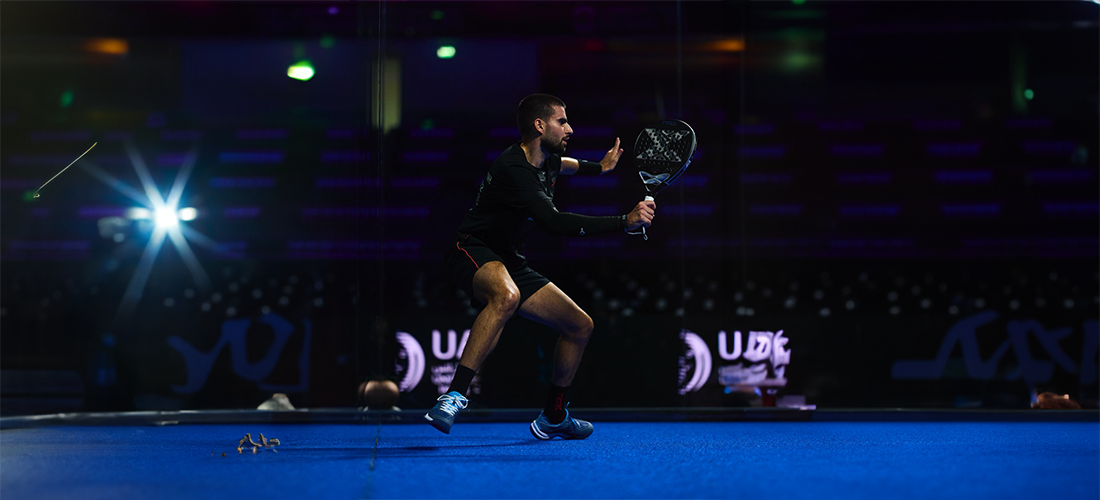
 As Dubai hosts the world-class Premier Padel P1 tournament this week, the city has once again become the heartbeat of the region’s booming padel scene. Among the global stars stepping onto the court, Fares Al Janahi stands out, not just as the UAE’s top player, but as a symbol of how far the sport has come locally.
Once a promising tennis athlete, Al Janahi transitioned into padel with a vision that’s now materializing on home soil. Competing alongside elite international players, he represents a new generation of Emirati athletes balancing high-performance training with a focus on recovery, mental clarity, and longevity.
As Premier Padel P1 unfolds in Dubai, Al Janahi’s journey mirrors the momentum of the sport itself – a dynamic, disciplined, and driven by wellness as much as competition.
Q: You started your athletic journey as a tennis player before moving to padel. How did your training and mindset evolve through that transition?
A: Outside the court, not much changed: my gym, nutrition, and mental prep stayed consistent. That stability gave me an edge over other players. But mentally, everything shifted. Tennis is an individual sport where you win or lose alone. In padel, you have a partner. Learning to support each other, to lift my teammate when he’s struggling, was a big change. That’s what made me grow most as an athlete.
Q: What helped you develop that team-centered mindset on court?
A: It came through experience. During a national team match, my partner was really nervous, and I realized blaming him wasn’t the solution. I started to take shared responsibility and dived into how I can make him feel supported and confident. Since then, teammates have told me they feel calmer playing with me. In padel, that trust between partners is everything.
Q: You travel often for tournaments. How do you maintain balance and recovery amid such a demanding schedule?
A: After every tournament, I take a day or two to recharge with close friends. There are people who know me beyond the court. I disconnect completely from padel. That reset keeps me grounded and helps me come back sharper. You can’t perform well if you never switch off.
Q: What’s your relationship with technology in monitoring performance?
A: I use tech like Whoop and heart-rate monitors during training, but not in competitions. These tools are great, but they can take over your mind. Once, my Whoop told me I was “in the red” right before a match, and it got in my head. Now, I use tech for awareness, not control. I’ve also partnered with a recovery brand that uses CBD gel and it’s become part of my sauna routine.
Q: You mentioned an ankle injury last year. How did that experience change your approach?
A: It was close to becoming chronic, and I had to step back mid-season. That injury taught me to listen to my body. Before, I’d never skip extra sessions. Now, I prioritize recovery. It’s about playing smart, not just hard.
Q: What does your typical training and nutrition routine look like now?
A: Two hours before matches I would have my usual rice and chicken or pasta and chicken. I start my day with electrolytes; hydration is key, especially in the UAE heat. My gym routine always includes mental prep also, visualization of both good and bad moments so I’m ready for anything. And if I feel nervous before a match, that’s when I play my best. Nerves mean I care.
Q: What challenges come with training in the UAE climate compared to Europe?
A: The humidity is the biggest factor. In Spain, the dry heat is easier to handle. In Dubai, you have to double your recovery and hydration efforts. But it also makes us stronger when we compete abroad, we adapt faster than most players.
Q: You’ve been mentoring younger athletes in the UAE. What advice do you share most often?
A: Learn to accept losses. Consistency and discipline matter more than winning. I wish someone told me that earlier. Roger Federer has always been my role model, he’s proof that emotional maturity and calmness can redefine greatness.
Q: So obviously, Dubai Premier Padel brings world-class athletes to a city that celebrates excellence and innovation. How does the atmosphere in Dubai influence your motivation during the competition?
A: It’s an incredible time to compete here. The Dubai Fitness Challenge (30×30) started by His Highness Sheikh Hamdan really set the tone for a healthier, more active city. Sheikh Hamdan himself was one of the first people to bring padel to Dubai and we train at his NAS complex, so his influence is personal. What I love is that leadership here happens through action, not words. You can feel a real shift –people across Dubai are becoming more health-conscious, and that energy is contagious.
Q: Have you noticed any changes in the level of play or the teams you’re competing against this year compared to last?
A: Definitely. The younger generation has really impressed me. You see names like Leo Oxberger, who weren’t reaching semifinals last year but are now regulars at the top. The sport is evolving fast and that competitiveness pushes everyone to step up.
Q: Finally, how do you define “athletic wellness” for the next generation of UAE padel players?
A: Eat healthy, live a lifestyle you actually enjoy, and find joy in what you do. Balance is the real success—on and off the court.