Root Cause Meets Regeneration: Dr. Imane Farhat’s Vision for Healthy Longevity
 By wellness
 By Rebeca Pop, Editor at The Wellness Collective
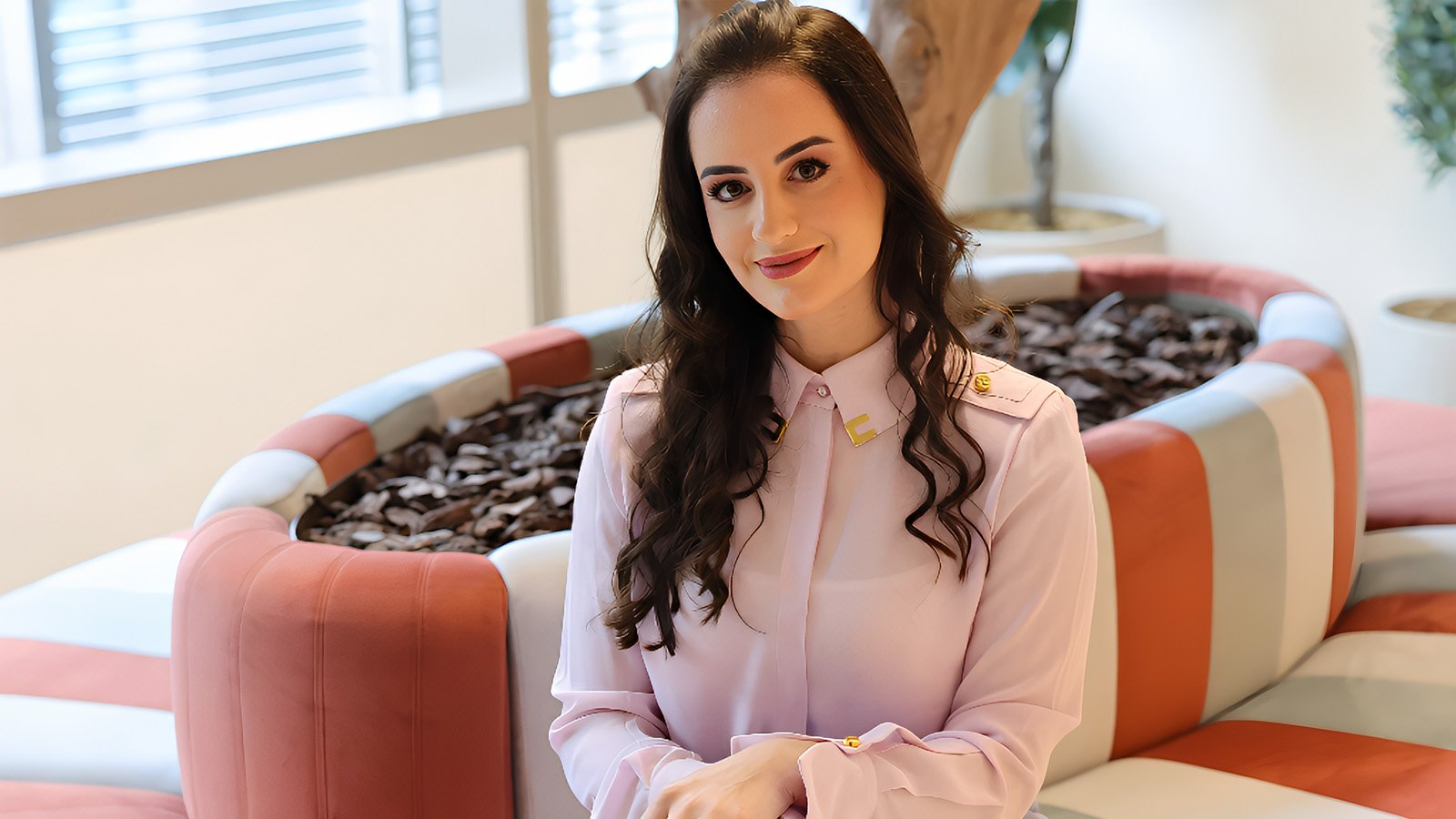
At a time when conversations around ageing are shifting from simply adding years to life to adding life to years, Dr. Imane Farhat stands at the crossroads of two powerful traditions: regenerative medicine and naturopathy. With a philosophy rooted in treating the whole person and a toolkit that spans from cellular therapies to nutrition and lifestyle optimization, she offers a vision of longevity that is both cutting-edge and deeply human. In this interview, Dr. Imane shares how science and nature can work together to restore function, extend healthspan, and position the UAE and wider GCC as leaders in the global longevity movement.
1.What inspired you to combine regenerative medicine with naturopathic approaches in your practice?
I saw a gap: conventional longevity work often treats symptoms or labs, while naturopathy looks for root cause but can lack regenerative tools. Combining them lets me treat the whole person (systems biology, metabolism, immune, mitochondria) and apply targeted regenerative modalities (peptides, exosomes, PRP, stem cells, IV therapies) to actually restore function — not just manage disease. It’s the pragmatic fusion of evidence-based repair with root-cause, individualized care.
2 – How do you define “healthy longevity” from both a medical and a naturopathic perspective?
Medically: maximal years lived with preserved organ and cognitive function, minimal disease burden, and measurable biomarkers of resilience. Naturopathically: the same end-state, but achieved by aligning physiology, lifestyle, and environment — optimizing nutrition, microbiome, stress response and detoxification so the body can self-repair. Healthy longevity is therefore functional years, not just calendar years.
3 – In your opinion, is the focus shifting from simply extending lifespan to enhancing “healthspan”?
Absolutely. The conversation has moved from “how long can we live?” to “how well can we live?” Patients and practitioners now prioritize vitality, cognition, mobility and metabolic health — the daily lived experience — rather than raw lifespan alone.
4 – Looking at the next decade, what breakthroughs in regenerative wellness do you believe will have the biggest impact on human lifespan?
Top movers will be: scalable cell-derived therapies (exosomes/secretomes), safe senolytic approaches to clear dysfunctional cells, precision peptides and combinatorial biologics that restore organ function, advanced autologous/allogeneic cell treatments, and AI-driven biomarkers that allow early, personalized intervention. The synergy of these with microbiome and metabolic reprogramming will be transformative.
5 – Do you see a future where regenerative therapies will become a standard part of preventive care, rather than a niche luxury?
Yes — but in stages. As safety, standardization, cost-efficiency and evidence improve, basic regenerative interventions (personalized peptide regimens, targeted cell-derived products, metabolic optimization) will be integrated into preventive medicine. The challenge is regulation, education and equitable delivery — but the trajectory points toward wider adoption.
6 – How might the role of cellular health and anti-aging therapies evolve over the next ten years?
We’ll shift from late-stage, organ-specific fixes to early, cellular-level maintenance: routine assessment of cellular senescence, mitochondrial function, epigenetic age and proteostasis will drive timely interventions. Treatments will become more preventative, personalized and modular — small, repeatable regenerative “top-ups” rather than single heroic procedures.
7 – How can natural medicine and cutting-edge regenerative treatments work together to slow or reverse age-related decline?
By pairing strengths: naturopathic medicine optimizes the terrain (nutrition, sleep, gut, detoxification, stress resilience, hormonal balance) so regenerative therapies work on an enabled substrate. Regenerative modalities then repair and replace damaged tissue. In practice this looks like metabolic and microbiome optimization before and after cell or peptide therapy, targeted BHRT when indicated, and ongoing lifestyle prescriptions to maintain gains.
8 – What role do lifestyle factors—such as nutrition, sleep, and stress management—play in complementing regenerative treatments?
They’re foundational. Regenerative treatments are high-leverage only when the patient maintains nutrient sufficiency, circadian alignment, glycaemic control, quality sleep and low chronic stress. Without lifestyle optimization, gains are smaller and less durable. Lifestyle is both prevention and potentiation.
9 – Are there natural interventions you believe science will soon validate as highly effective for extending healthspan?
Yes — interventions already showing strong signals that will accumulate evidence: targeted polyphenols and mitochondria-protective nutraceuticals, carefully dosed NAD+ precursors with supporting cofactors, clinically-applied intermittent metabolic strategies (fasting/ketosis cycles), and microbiome modulation (precision probiotics/postbiotics). Expect higher-quality RCTs in these areas within five years.
10 – How do you see the UAE and GCC positioning themselves as leaders in longevity-focused healthcare?
The region is uniquely poised: substantial investment in healthcare, appetite for innovation, and a patient population motivated by longevity. With regulatory foresight (DHA, Abu Dhabi, Dubai initiatives), partnerships with academic centres and a willingness to adopt advanced regenerative platforms, the GCC can become a hub for clinical innovation, trials and accredited longevity centres that blend Western science with integrative approaches.
11 – Are there unique health or lifestyle patterns in the region that influence how longevity strategies are applied?
Yes — factors like high heat, vitamin D dynamics, dietary patterns, prevalence of metabolic disease, cultural fasting practices and rapid urbanization shape strategy. Practical programs must account for climate, cultural dietary habits, consanguinity patterns, and accessible models for screening (e.g., mobile health, community-based preventive care).
12 – Do you think regenerative longevity solutions will become accessible to a wider population, or remain reserved for those who can afford premium care?
I expect a hybrid: advanced, bespoke regenerative care will remain premium initially, but as technologies scale, commoditize and gain insurance/health system acceptance, more accessible tiers will emerge — think stratified care pathways where core, evidence-based regenerative elements become standard preventive offerings while bespoke, high-complexity therapies remain personalized.
13 – How can the medical community balance innovation with ethical responsibility in the longevity space?
By building robust evidence, transparent registries, clear consent frameworks, equitable access initiatives and tight safety monitoring. Regulators, clinicians and researchers must avoid hype, publish negative results, standardize outcome metrics (functional outcomes, not just biomarker shifts), and ensure vulnerable populations aren’t exploited. Ethical innovation means rigorous science plus an insistence on justice and transparency.