The Quiet Cure: Why Silent Retreats Are the New Luxury for the Mind

By Veronica Carpio, Editor at The Wellness Collective
In a world where the ping of a notification can spike our cortisol and “busy” is worn like a badge of honour, silence has become one of the rarest and most restorative luxuries. Enter: silent retreats—sanctuaries that invite you to unplug, tune inward, and reset the nervous system through the most powerful tool you’ve likely been neglecting… stillness.
Silent retreats have existed for centuries, most notably within spiritual traditions like Buddhism and Hinduism. But today, they’re being rediscovered by a new generation—overstimulated professionals, anxious urbanites, curious wellness seekers—looking not for escapism, but for deep reconnection. From mountaintop monasteries in Nepal to modern eco-lodges in California, silence is speaking volumes around the world.
Why Go Silent?
Contrary to popular belief, silent retreats are not about denying pleasure or self-punishment. They’re about creating space—for clarity, rest, and emotional recalibration.
When we remove external noise, we begin to hear ourselves again. Many people cry on the first or second day—not because they’re sad, but because they’re finally feeling something real without distraction.”
The silence isn’t just about not speaking. Often, it includes turning off devices, avoiding eye contact, and sometimes even refraining from reading or writing. This intentional stillness helps participants move from thinking to being—and that shift can be profound.
Ready to step into the hush? Here are seven silent retreats around the world that are quietly changing lives:
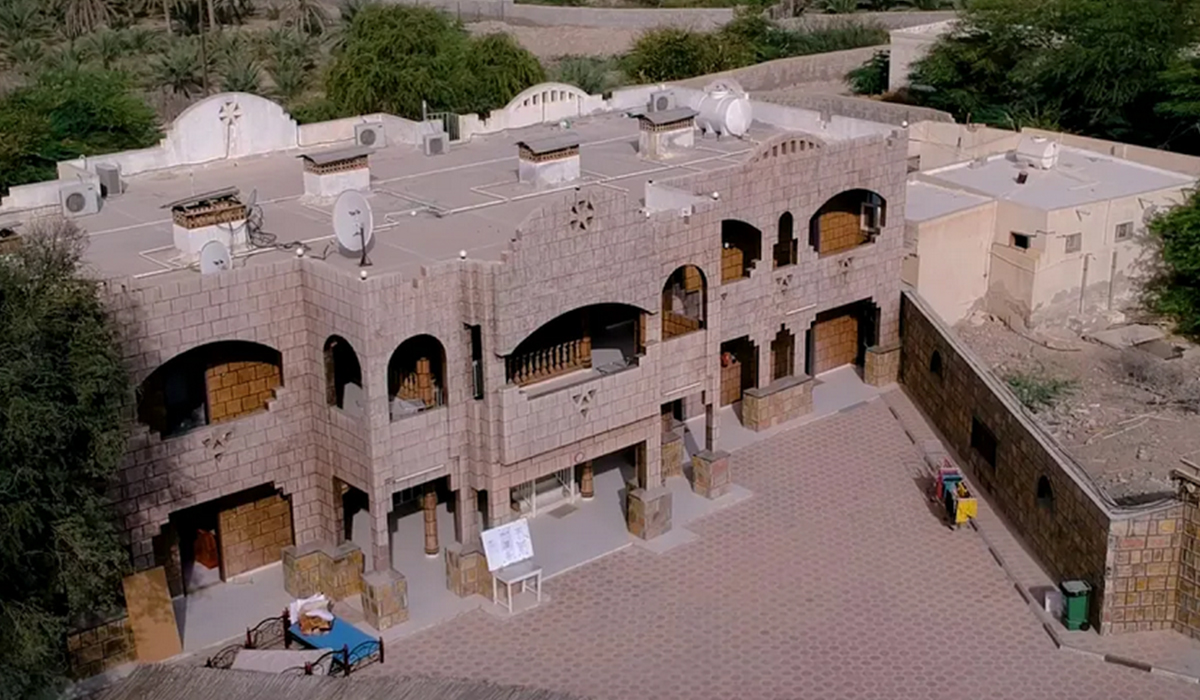
Vipassana Meditation Centres (Worldwide)
For purists and those seeking a total reset, Vipassana retreats are the gold standard. Founded by S.N. Goenka, these 10-day silent programs are donation-based and follow a strict code: no speaking, no technology, no contact with the outside world—and up to 10 hours of meditation per day.
There are over 200 centres worldwide, including a dedicated Vipassana Meditation Centre in the UAE, located in the serene outskirts of Al Ain. This desert-based sanctuary offers a unique experience: deep introspection under expansive skies, where silence feels both ancient and grounding. The retreat attracts people from across the Middle East seeking refuge from the fast-paced rhythm of modern life.
Locations span from India to Italy, New Zealand to the U.S., and while the schedule is rigorous, many describe it as life-changing. “I thought it would break me,” says former attendee Josh Lim from Singapore, “but it rebuilt me in the best way.”
For those seeking a more traditional Eastern immersion, Dhamma Joti in Yangon is one of the oldest Vipassana centres in Southeast Asia. The retreat follows the original teachings of the Buddha and offers an austere, yet deeply rewarding experience.
Though rustic, its spiritual energy is palpable—and the teachings are delivered with precision, care, and profound humility.
Esalen Institute (Big Sur, California)
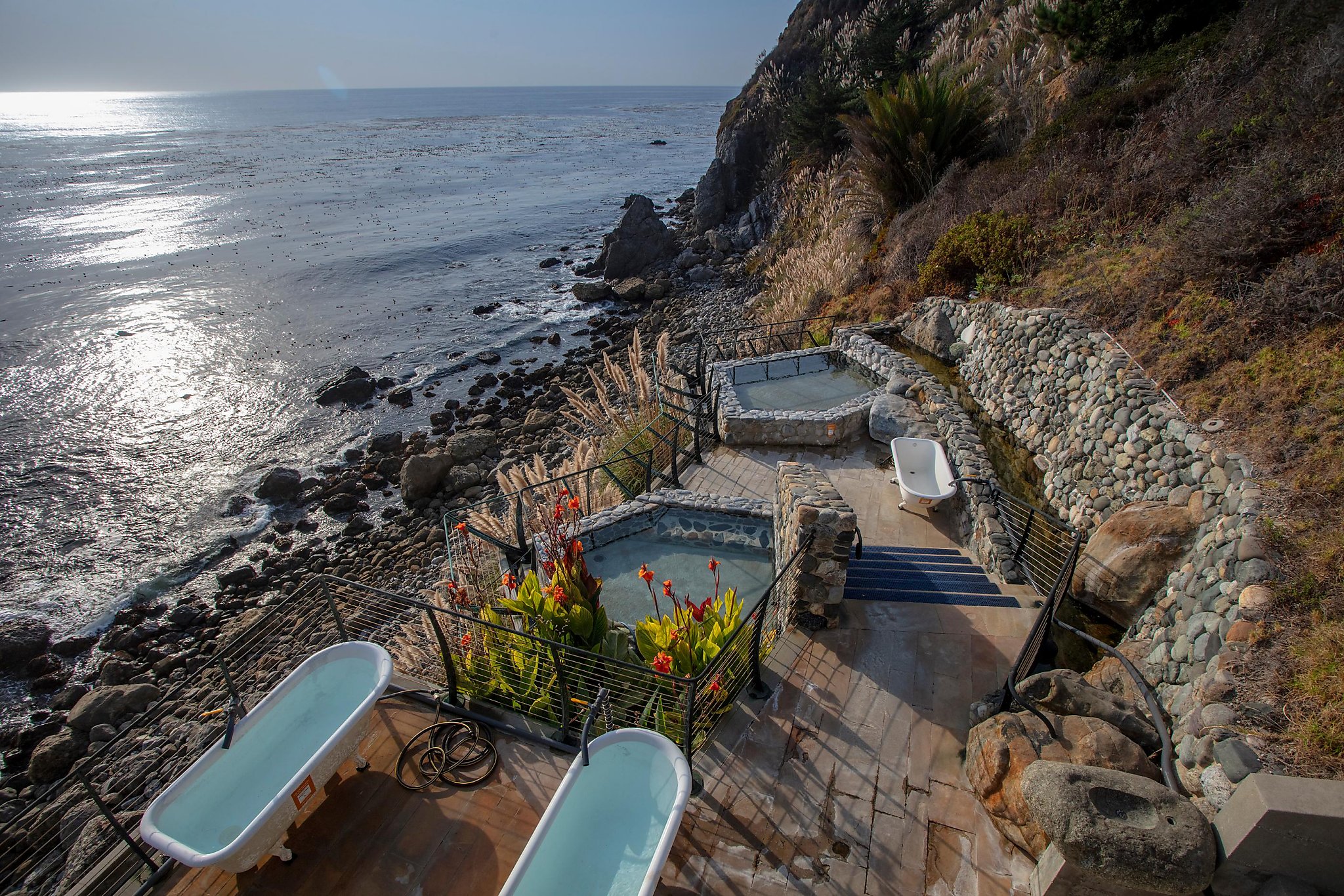
Perched on the cliffs of California’s wild Pacific coast, Esalen offers immersive silent retreats that blend mindfulness, nature immersion, and expressive movement. While not entirely monastic, these programs include structured silence, daily meditation, and soaking in the famous cliffside hot springs.
Participants sleep in rustic-chic rooms, eat organic meals, and attend workshops led by seasoned mindfulness teachers. Silence, here, meets soul-nourishing luxury.
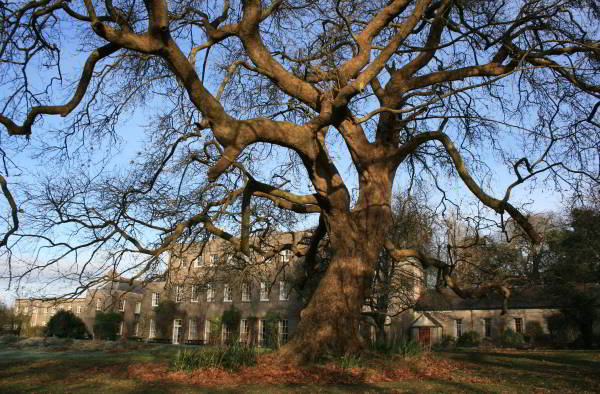
Gaia House (Devon, UK)
Tucked into the rolling hills of southern England, Gaia House is a Buddhist insight meditation center that welcomes beginners and seasoned practitioners alike. Their silent retreats range from weekend getaways to 3-week immersions, guided by an ethos of compassion and simplicity.
It’s especially popular with creatives and mental health professionals seeking a gentle, contemplative environment to retreat from life’s noise.
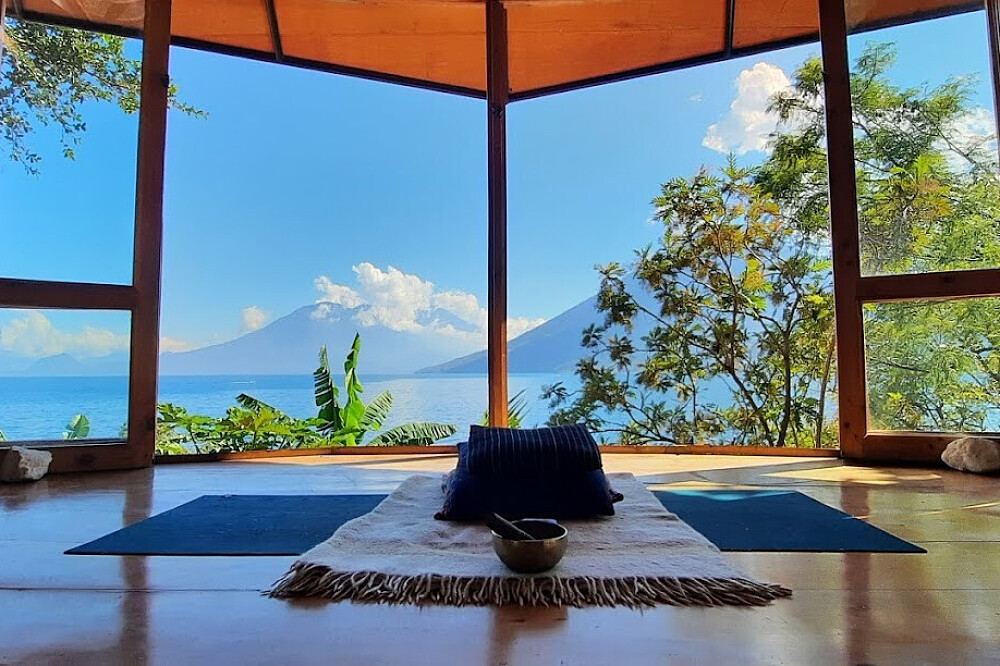
The Hermitage (Lake Atitlán, Guatemala)
For those drawn to spiritual stillness with a bohemian twist, The Hermitage offers a remote, high-vibration escape in the highlands of Guatemala. Overlooking volcanic Lake Atitlán, this retreat offers solo silent “dark retreats” in small huts, as well as guided group retreats that blend yoga, pranayama, and meditation.
Participants report deep introspection and altered states of awareness—especially during their signature 7-day solo silence experiences.
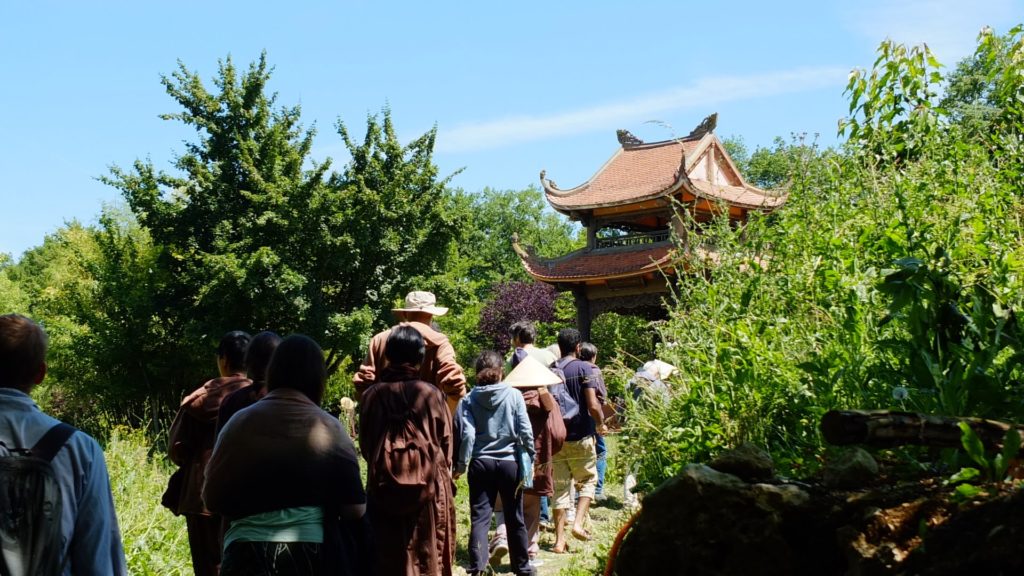
Plum Village (Dordogne, France)
Founded by Vietnamese Zen master Thich Nhat Hanh, Plum Village is more than a silent retreat—it’s a mindfulness village. Located in the peaceful countryside of southwest France, guests are invited into a rhythm of silent walking meditations, tea ceremonies, and mindful eating.
Silence is woven gently into the daily structure, especially in the early mornings and evenings, allowing participants to ease into stillness while feeling warmly held by the community.
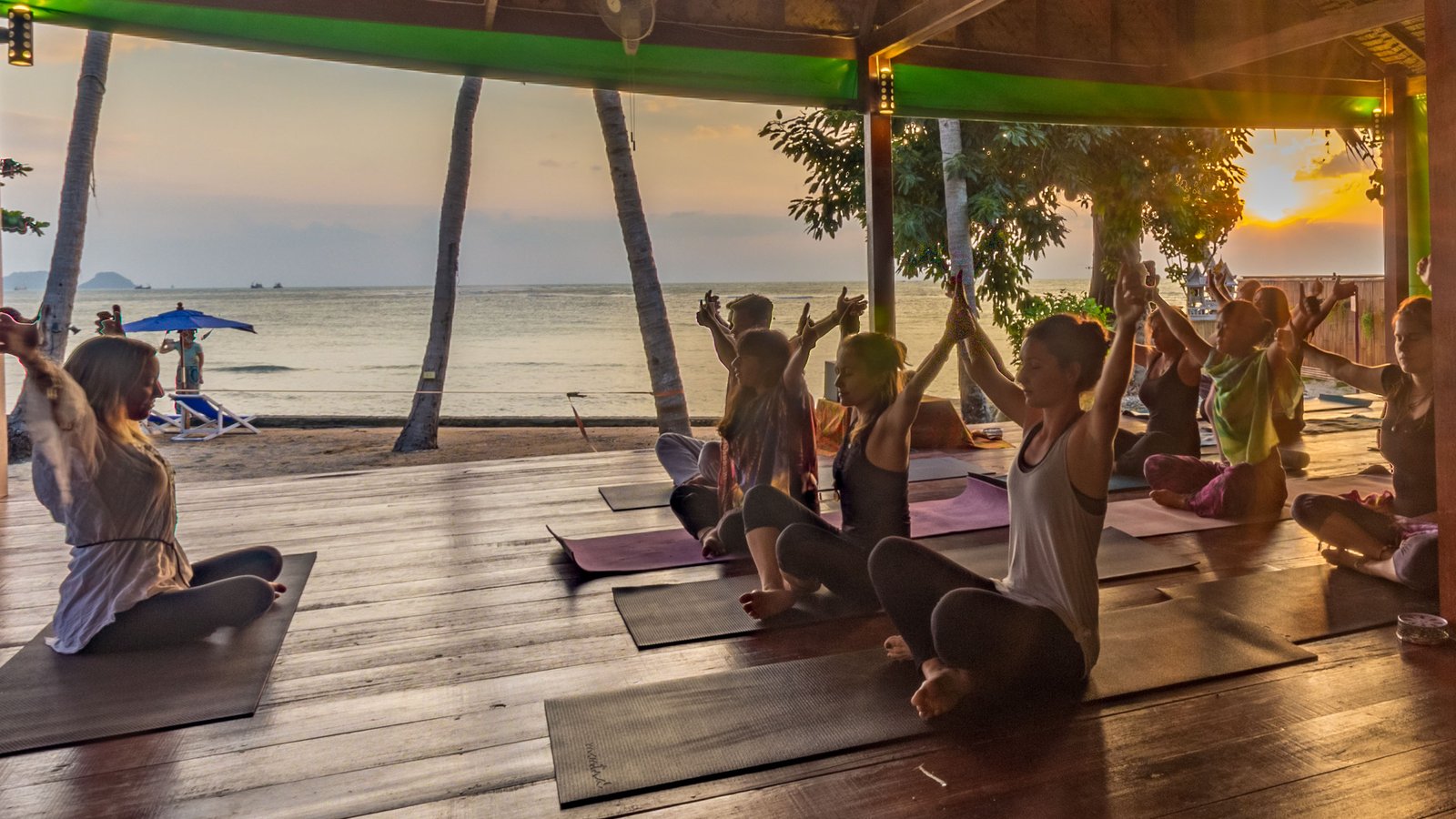
Samma Karuna (Koh Phangan, Thailand)
Prefer your silence with a side of sunshine? Samma Karuna offers “Conscious Awakening” silent retreats on the serene shores of Thailand’s Koh Phangan. Their approach is integrative, combining meditation, yoga, dance, and bodywork—followed by periods of structured silence.
Think hammocks, healthy food, ocean breezes, and soul-searching—without saying a word.
The Science of Silence
Emerging research supports what ancient sages already knew: silence heals.
A 2013 study published in Brain, Structure and Function found that two hours of silence per day prompted cell development in the hippocampus—the brain region associated with learning and memory. Other studies link silence with decreased blood pressure, improved mood regulation, and increased creativity.
“Silence activates the brain’s default mode network,” explains neuroscientist Dr. Jonathan Fisher. “That’s the space where we connect the dots, process emotions, and engage in self-reflection. It’s like defragging your mental hard drive.”
Tips for First-Timers
If the idea of total silence feels intimidating, that’s normal. Here are a few tips to make your first silent retreat more meaningful:
- Start Small: Try a weekend or 3-day retreat before committing to 10 days.
- Ditch the Expectations: Silence doesn’t always mean bliss. Boredom, discomfort, and restlessness are part of the process—and that’s okay.
- Be Gentle: Silence brings up what you’ve been avoiding. Meet it with compassion.
- Unplug in Advance: Begin reducing noise (digital and otherwise) in the days before your retreat to ease the transition.
The Sound of Inner Stillness
In a world where constant input is the norm, silence is revolutionary. More than just a lack of noise, it’s a return to presence, to the soft intelligence of the breath, the body, the beating heart.
And as anyone who’s emerged from a silent retreat can tell you: the real transformation isn’t what happens during the silence—it’s how you live afterwards.
When the noise returns, you carry something new: a deeper sense of listening.